When you’re working with corrugated paperboard and other fibers, one thing that people tend to forget is the flute that’s best used.
There’s a lot for you to choose from, and you must make sure that each of these are understood, prior to making the final deciding actions. Here, we’ll discuss what type of flute to use, and some of the benefits for each to consider.
What Flute Is
Flutes is another word for corrugation, or corrugated times. Essentially they’re a more wavelike type of line that is stuck to different linerboard layers. This is what provides the linerboard with some extra support and strength, good enough for even the heaviest of different items.
These flutes are good for structure, but also for insulation. This improves the crush strength of this and helps to create a more puncture-resistant type of box for you to use.
Flutes come in different types of sizes, which we’ll go over below.
First, you’ve got the A flute, and this is the thickest out there. It’s great for anything that needs a lot of strength, and the stiffness of such is great for industries. This is good for heavy items, but if you’ve got designs that need to be detailed, this is not the ideal.
The B flute is the next biggest. It’s a bit thinner and stiffer though than some of the others, and the arch height tends to be lower. B flutes are great for good designs, and also for die cutting. It’s resistant to puncturing and crushing. It was made originally for packaging different canned items, and these days you use it for trays for drinks, any glass to glass packaging, and other types of items. It’s also good for dividers and pads.
Then there is the C flute, which is the second thickest, and it’s the best for crush resistance. This is also one that’s considered to be more all purpose than others. It’s also easy to stack on too, without breaking. It can also handle printing and the like too. This is what most shipping boxes come in, and is good for furniture, dairy, glass items, and so many others.
E flute is a thinner one, but don’t write it off. It’s easy to fold for the most part, has a very good crush resistance, and it also can offer more high-quality printing items. This is stronger, better for the environment, and also is a good alternative for some other folding cartons. It’s not good however for shipping and tends to be subpar when you look at the protection from puncturing.
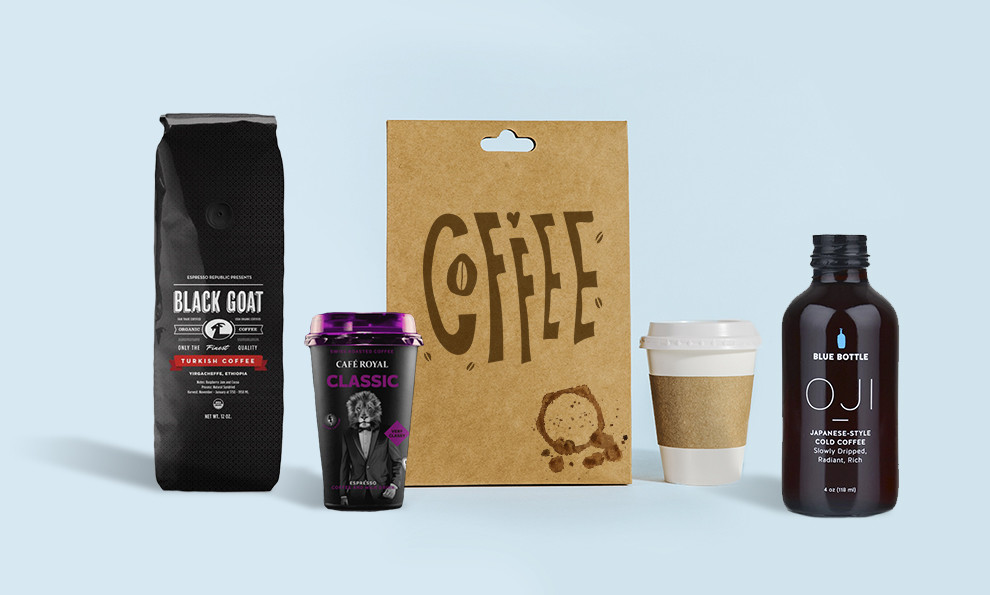
Finally, we’ve got the F flute, which is about half of the thickness of the E flute, and this is another one that’s got far less fiber than the E flute. It’s rigid, sand also is a great alternative to these foldable cartons. It’s sometimes used interchangeably with the E flutes in some cases. It’s good for clamshell packaging, specialty items, and also small items in retail packaging.
Choosing what’s right for you
This can be a bit of a challenge. Sometimes it’s easy, especially if you’ve got a thicker product that needs more durability and protection. Those who have a thinner product that’s more specialty may also have an easy decision.
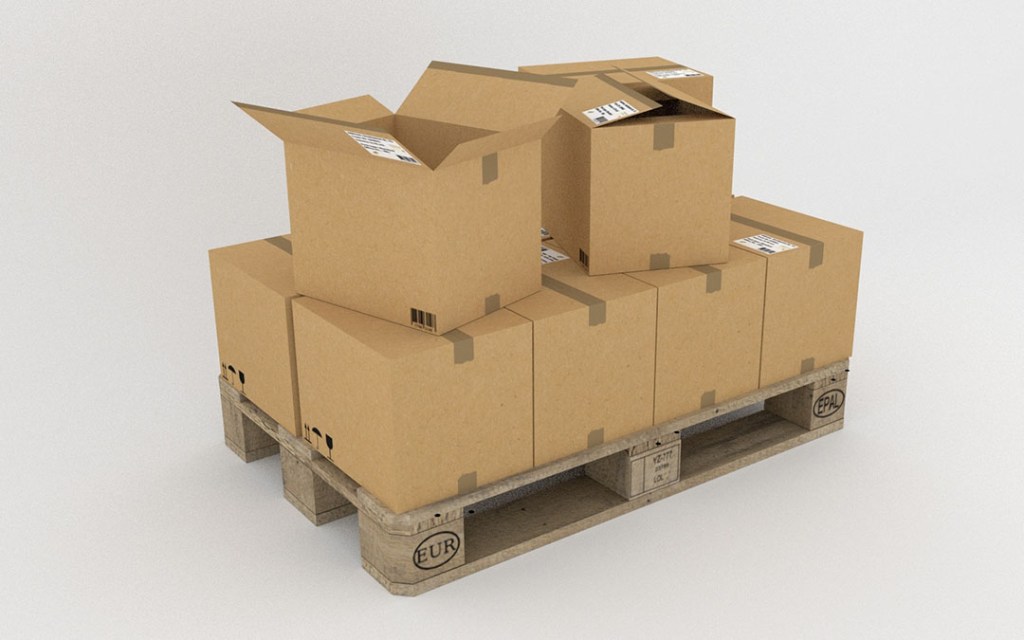
However, if you’re still having trouble, you can talk to the packaging retailer, as they can give you an idea of the ideal fluting size for your needs, and to help you choose the right packaging that best fits what you want, and every other factor to be considered.
 Mailers Business