Choosing the correct materials for a heavier item is vital when choosing stuff securely and safely. Whether you’re shipping out products for retail, something fragile, or a heavy product, suing the correct packaging makes a huge difference. The correct packaging materials ensure that everything gets to the destination you’re at intact.
When they’re not packaged properly, they do become damaged during the transit stage, or they damage other types of items. This leads to dissatisfaction from customers, more shipping, and potential losses of revenue.
To avoid mishaps, you need to consider the protection for the heavier items. Using strong, sturdy packaging with the necessary support offers protection during this process.
Here, we’ll go over how to choose the correct packaging for a heavier item so that it stays nice and protected.
Factors to Choose when Shipping something Heavy
There are a few things that you need to ensure that you do, in order to ship the heavier items. This will allow the items to stay within the budget and ship out on time in most cases. The right shipping is satisfactory, and good for reputation.
Durability and Strength
You want to; make sure that you consider the durability and strength. You need materials that’ll withstand the pressure and stress that goes into shipment.

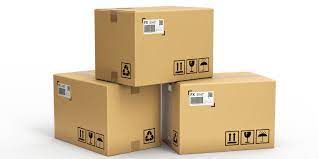
Corrugated packaging is the most known for this, and it’s the best for heavier items. They do carry a ton of loads without the items tearing and puncturing both outside and inside. It offers the best protection during the transit process. Corrugated cardboard comes in a lot of sizes, which allows you to choose what’s right for you.
Padding and Cushioning
You also need to focus as well when shipping stuff the right cushion for the job. Many heavier items tend to have larger amounts of downward pressure, and highly-cushioning prevents the objects from messing with the packaging or sustaining a ton of damage during the process of shipping.
Make sure when you’re shipping to use foam padding, bubble wrap, packaging peanuts, and the like to lessen the impact of the vibration.
However, bear in mind that the padding materials do vary for each application.
For instance, bubble wrap, which is super popular for cushioning, does need to be chosen carefully. For heavier objects, you want the bubble wrapping with a smaller bubble, as they’re better for protecting.
Remember, controlling this movement is integral to the shipping process, especially when involving protecting heavier items during transit. You want to fill up the space with some high-quality materials to cushion and provide enough shock absorption in order to prevent this damage.
Here, you’ll find a few products to consider:
- Pad loc cushioning pads: these are versatile bags that have peanuts in them,, and they offer a less messy, cleaner alternative to regular packaging peanuts.
- Plastic poly bags: they’re safe, economical, and effective for food shipping, and shipping anything that needs to have protection from temperature changes.
Interior Wrapping
You should also consider wrapping inside. This is good for heavy objects, since this provides an important change to these materials.
Kraft packing paper, and bubble wrap, are all wrapped around these products, before they’re placed in shipping containers for protection.
This is especially vital for delicate, fragile parts, and are likely to be further broken down during the shipping part. Controlling these components is vital, and interior wrapping is a great way to ensure that the sensitive, valuable pieces are still in place.
Keep all of this in mind, and be mindful of the items you grab for your packaging.
 Mailers Business