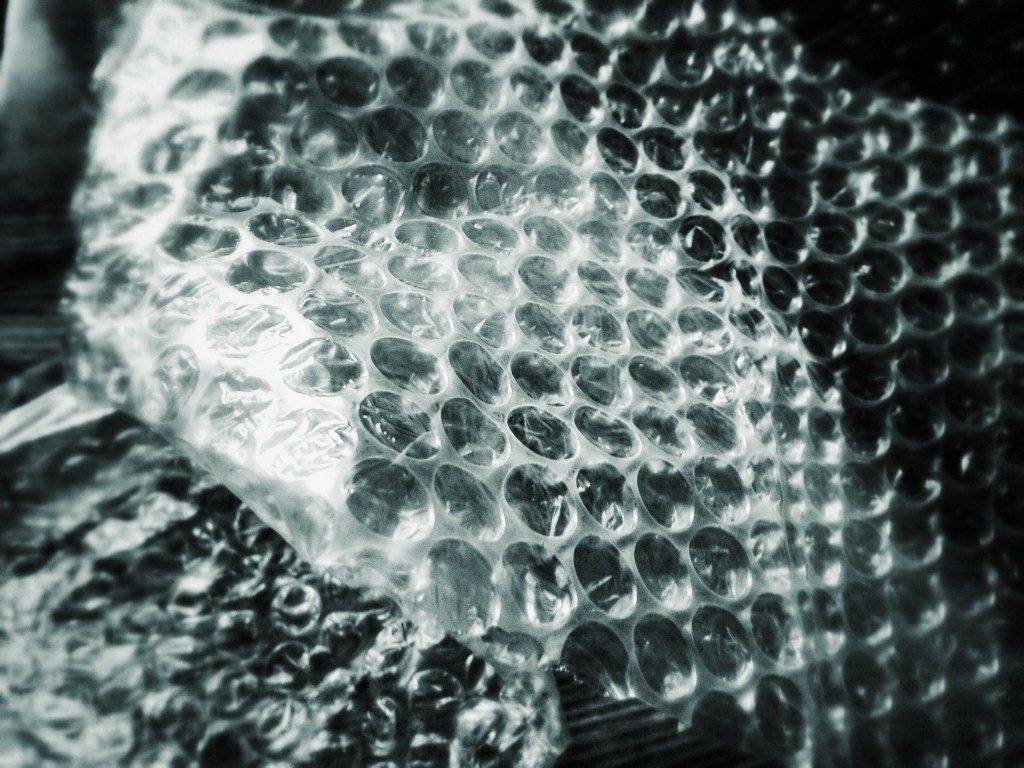
Bubble wrap has been one of the most popular packaging materials for over 50 years. The unique design and pliability of this packaging material protect valuable products of varying shapes and sizes.
While this material can protect products from damage during the supply chain process, it is necessary to understand its impact on the environment. The first question that comes to mind in this regard is about the recyclability of bubble wrap. You may also wonder about its eco-friendly alternatives.
What is bubble wrap?
Developed back in 1960, bubble wrap was used to ship heavy computers manufactured by IBM. Those computers required protection from something extremely shock-resistant, and bubble wrap did that job well. This packaging material proved to be more useful than other cushioning supplies such as newspaper, sawdust, and horsehair.
What is bubble wrap made of?
Bubble wrap is made of plastic sheets. One of these sheets contains thousands of tiny sealed air pockets. These pockets provide optimum protection against bumps and shocks generated during the shipping process. They absorb shocks to keep the packed goods safe and secure during harsh journeys.
Recyclability of bubble wrap
Bubble wrap produced these days can be put in a regular recycling bin, just like any other recyclable plastic product. The waste management company picks this bubble wrap and takes it to the recycling unit where it is recycled and repurposed to make different plastic products. While it is a recyclable product, it is not biodegradable, which means it will not decompose even after thousands of years.
Bubble wrap has proved to be a reliable and versatile protective product for nearly all types of products and packages. However, it has fallen under scrutiny in recent years. Amazon started using non-recyclable bubble wrap, causing a media uproar in different parts of the world. As a result, it had to shift to using paper and cardboard packaging.
The contamination problem remains unaddressed with so much bubble wrap being manufactured around the world and very little of it getting recycled due to misinformation. That has contributed to increased ocean pollution and overflowing landfills.
Alternatives to bubble wrap
With the help of modern technology, manufacturers have been able to produce many eco-friendly alternatives to bubble wrap. One such material is PuffPack, which consists of recycled paper. This product yields 50% better results compared to flat paper. That means you can use less of it without sacrificing the safety of your products. It consists of 100% recycled paper, and it is completely recyclable. It is also compost-ready.
Eco-friendly packing peanuts are another alternative to bubble wrap. These peanuts protect your goods just like regular packing peanuts. Made from 100% recyclable materials, this packaging product is also completely recyclable.
Is bubble wrap recyclable?
The short answer to this question is yes. However, it is necessary to consider the environmental impact of using oil-based plastics to protect your products during shipping. With a lot of alternatives available and each of those offering versatile benefits, you can choose the one that fits your requirements nicely.
 Mailers Business