If you’re looking to design packaging of any period, you need to make sure that the materials are good. In fact, this is a very important step, and it does have a major influence on both the structural and the technical features of these final products.
A lot of designers these days must not only think about the technicalities of the materials used, in order to ensure product functionality and correctness, but also they need to look at the environmental impact that’s done too.
Raw materials that are responsible for creating more pollution and aren’t actively helping with the toxic waste that’s out there, are dangerous to not just the environment, but the entirety of the ecosystem too!
Packaging Design and Environmental Sustainability
When you’re looking at the design of most packaging, a lot of people associate this idea of it being sustainable environmentally, and usually, the first thing that they think about, is paperboard that can be recycled. But, recycled paperboard is really important, but it’s one of the many different types you can use.
There are even different paperboard kinds that are focused primarily on the revival of the environment, and also virgin paperboard along with the ecological types of paper do vary.
There are some other types, which we’ll go over right here!
Fiber Paperboard
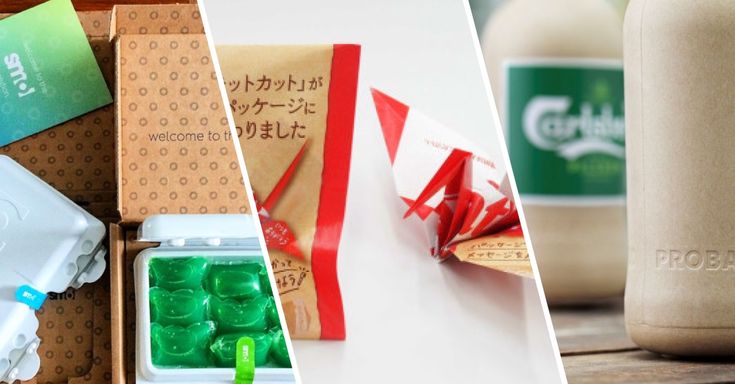
This is one that’s usually done with virgin fibers of wood, and these are not used before the cellulose is used, and this is typically in the form of cardboard and paperboard.
They’re pure paperboards, and compared to even different kinds, they’re characterized by a better quality, especially with regards to migration, which is the transference of the substances from the packaging to the packaging. And the easiness of this that’s machined. That’s also why a lot of people within the food industry use this.
Most virgin paperboard fibers are FSC certified, produced with a wood that’s originated from forests that are managed, especially according to even the environmental, social, and economic standards. This is something that’s great too, cause you can sometimes find fully recycled virgin paperboard fibers too.
Recycled Paper
This is one that’s primarily made from pulp paper and is picked and then used once again as a raw material fused with specific virgin fibers. Many pulp papers are less about the good and are actually subjected more so to migration compared to the virgin types of fibers, which is why they’re used in different sectors than food for the most part.
This is one that’s definitely divided based on the quality of this, and the provenience of such. Whether it’s trimming of the wood pulp and the printing of the paper, especially to the packaging of the cardboard, to even different wastes from the office, and some cardboard mixes.
This is a paper that’s used a lot more times in order to produce some newer materials, not endlessly, however.
The cost of a recycled raw material is much lower than that of a virgin fiber, and it’s usually difficult to guarantee this too.
Eco Paper
This is one that comes from a sustainable type of source, finished and worked, without any substances polluting this, such as bleached and not with chlorine
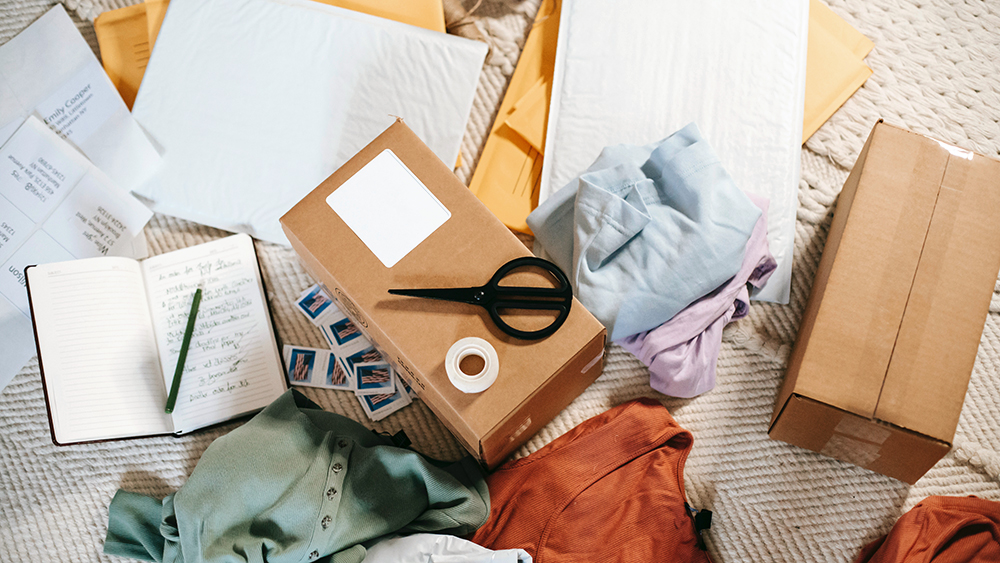
Of these three, this one is great especially if you’re trying to keep paper products out of your packaging.
When you use this correctly, it can really reduce this environmental impact. However, this one in particular does require you to have a material that’s correct, and a design that’s conscious, for most of the products, especially when you’re looking to improve the functionality of such.
 Mailers Business