Why Protective Packaging Matters 

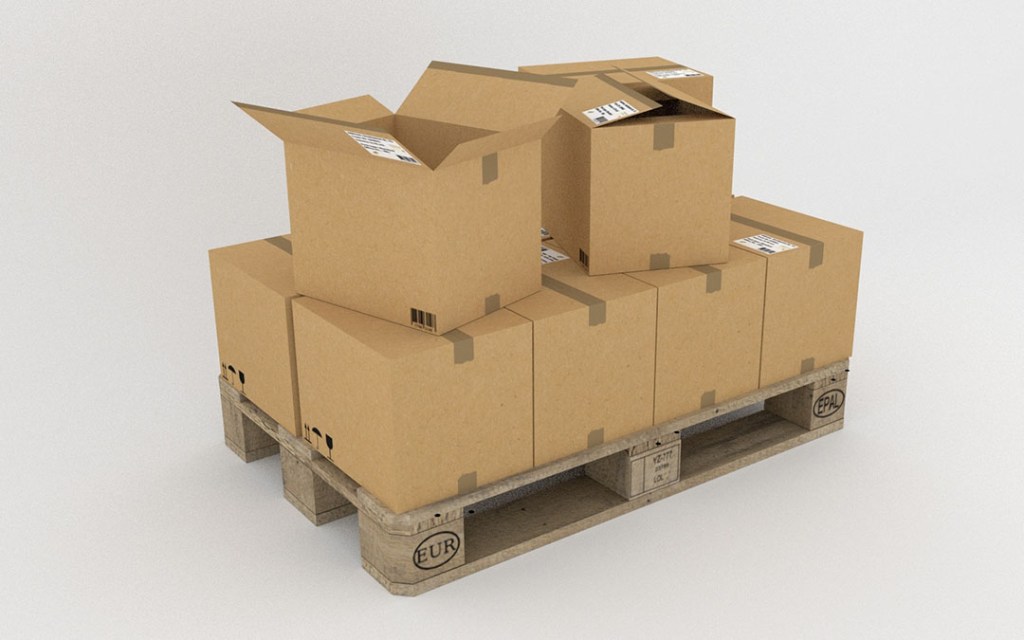
If the company needs to ship anything, there’s a chance that you’ve thought about the possibility of investing in some protective packaging. Bubble wrap, foam, and other types of packaging protection will help prevent the items from becoming damaged. 

While businesses look for different opportunities, this is an area that’s much safer than sorry. If you’ve ever had a package arrive with damage, you’ll want to re-think how the business and the packaging protects this, or else you will risk losing the profit margins and refunds. 

Why it’s important 

It’s important because usually 10% of packages do arrive at their destination with some form of damage. While this does vary, it can definitely be a greater number depending upon the type of service you use. For instance, FedEx does have packages that arrive 7% of the time, whereas 11% for UPS packages. 

You don’t want to take a chance with this type of thing.  As a business, you should use protective packaging. 

There are a few instances to us ethic, and they’re listed below: 

You Sell Objects that are Fragile 

When you’re shipping breakable products, protective packaging is the answer. Wrapping items that are breakable in foam or even bubble wrap does protect them during the transit process. 

Even if the products aren’t breakable, or made of glass, you’ll want to make sure that you have packaging that’ll hold up against the bumps, shakes, droppings, and other types of damage that happens. 

While it’s totally impossible to fully guarantee that everything will arrive intact, you’ll improve this through package upgrading. 

Even if there are slight doubts on the products and their ability to arrive in an intact manner, always err on the side of being protective with the packaging. 

You’re Shipping to Different Countries 

With international mail, it gets tossed around a lot more, since it’s got a far longer journey. That means, in order to save the products and ensure they’re shipped correctly, you need to use protective packaging. 
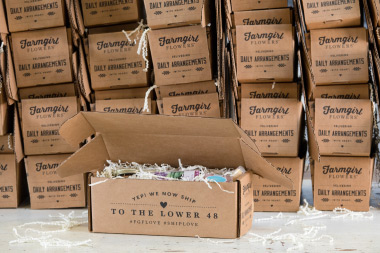
Something that you may not even bat an eye about not protecting will arrive damaged in a lot of instances. This leaves the products within this further exposed to more damage. Protective packaging is not just used to protect items from being moved about, it also offers an extra layer especially if the envelope or the box rips. This is also good if the person that’s delivering straight up leaves this outside, since the factors change when you do have a larger distance. 

The items are Easily Scratched 

If you’ve had a product that’s easy to scratch or scuffle when you ship it, especially when improperly manhandled, you’ll want to use protective packaging. Customers don’t want this, and this can provide a barrier around it. it shields the items from further scratches by the inner parts of the container when you ship them. 

You’ve Experienced some form of Damage Before 

Even items that are durable do become damaged when shipped. Some surfaces are scratched, cracked, dented, and the like, especially when jostled. So no matter what is sold, you’ll want to add some protective packaging for item shipping. 

This is especially the case if customers complain about their items being damaged in the mail. No matter how good the product is, your review will be bad if that does arrive damage. 
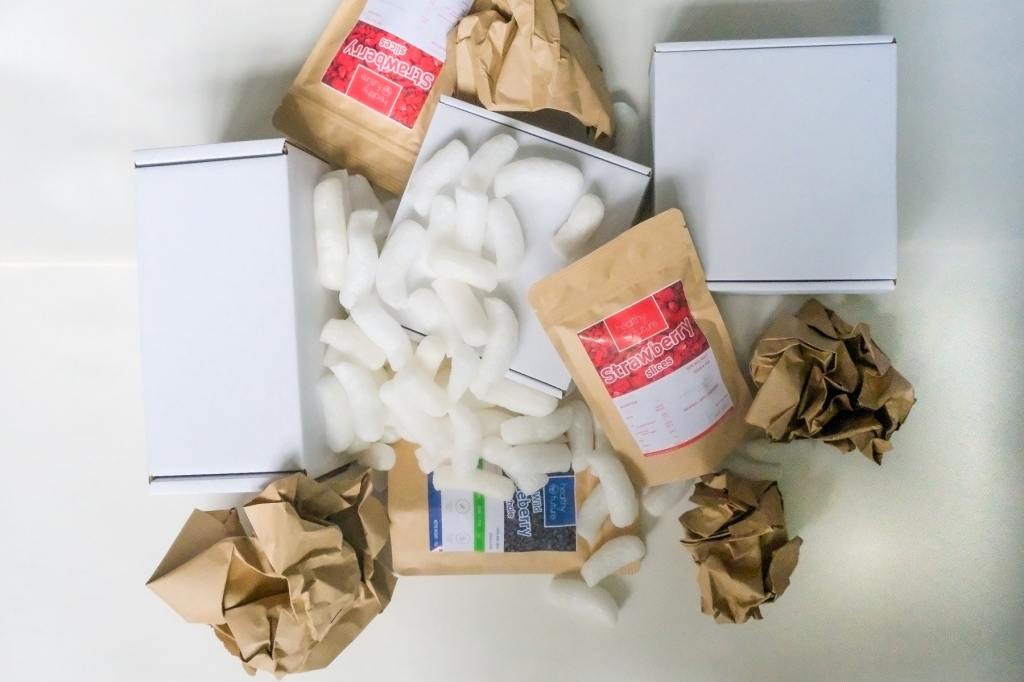
It’s very important to package out the items with some care, in order to ensure that there is some client satisfaction. 

Consider this when you’re making sure that you get the right protective packaging for your needs, and the needs of the customers as well too. 
How to Choose the correct Packaging Flute 

When you’re working with corrugated paperboard and other fibers, one thing that people tend to forget is the flute that’s best used. 

There’s a lot for you to choose from, and you must make sure that each of these are understood, prior to making the final deciding actions.  Here, we’ll discuss what type of flute to use, and some of the benefits for each to consider. 

What Flute Is 

Flutes is another word for corrugation, or corrugated times. Essentially they’re a more wavelike type of line that is stuck to different linerboard layers.  This is what provides the linerboard with some extra support and strength, good enough for even the heaviest of different items. 

These flutes are good for structure, but also for insulation. This improves the crush strength of this and helps to create a more puncture-resistant type of box for you to use. 

Flutes come in different types of sizes, which we’ll go over below. 

First, you’ve got the A flute, and this is the thickest out there. It’s great for anything that needs a lot of strength, and the stiffness of such is great for industries.  This is good for heavy items, but if you’ve got designs that need to be detailed, this is not the ideal. 

The B flute is the next biggest.  It’s a bit thinner and stiffer though than some of the others, and the arch height tends to be lower.  B flutes are great for good designs, and also for die cutting. It’s resistant to puncturing and crushing.  It was made originally for packaging different canned items, and these days you use it for trays for drinks, any glass to glass packaging, and other types of items. It’s also good for dividers and pads. 

Then there is the C flute, which is the second thickest, and it’s the best for crush resistance. This is also one that’s considered to be more all purpose than others. It’s also easy to stack on too, without breaking.  It can also handle printing and the like too. This is what most shipping boxes come in, and is good for furniture, dairy, glass items, and so many others. 

E flute is a thinner one, but don’t write it off. It’s easy to fold for the most part, has a very good crush resistance, and it also can offer more high-quality printing items.  This is stronger, better for the environment, and also is a good alternative for some other folding cartons. It’s not good however for shipping and tends to be subpar when you look at the protection from puncturing. 

Finally, we’ve got the F flute, which is about half of the thickness of the E flute, and this is another one that’s got far less fiber than the E flute. It’s rigid, sand also is a great alternative to these foldable cartons.  It’s sometimes used interchangeably with the E flutes in some cases. It’s good for clamshell packaging, specialty items, and also small items in retail packaging

Choosing what’s right for you 

This can be a bit of a challenge. Sometimes it’s easy, especially if you’ve got a thicker product that needs more durability and protection. Those who have a thinner product that’s more specialty may also have an easy decision.

However, if you’re still having trouble, you can talk to the packaging retailer, as they can give you an idea of the ideal fluting size for your needs, and to help you choose the right packaging that best fits what you want, and every other factor to be considered. 

Invisible Barcodes For Next-level Tracking 

More and more barcodes are changing. Instead of them being big and gaudy on the packaging, they’re not invisible. 

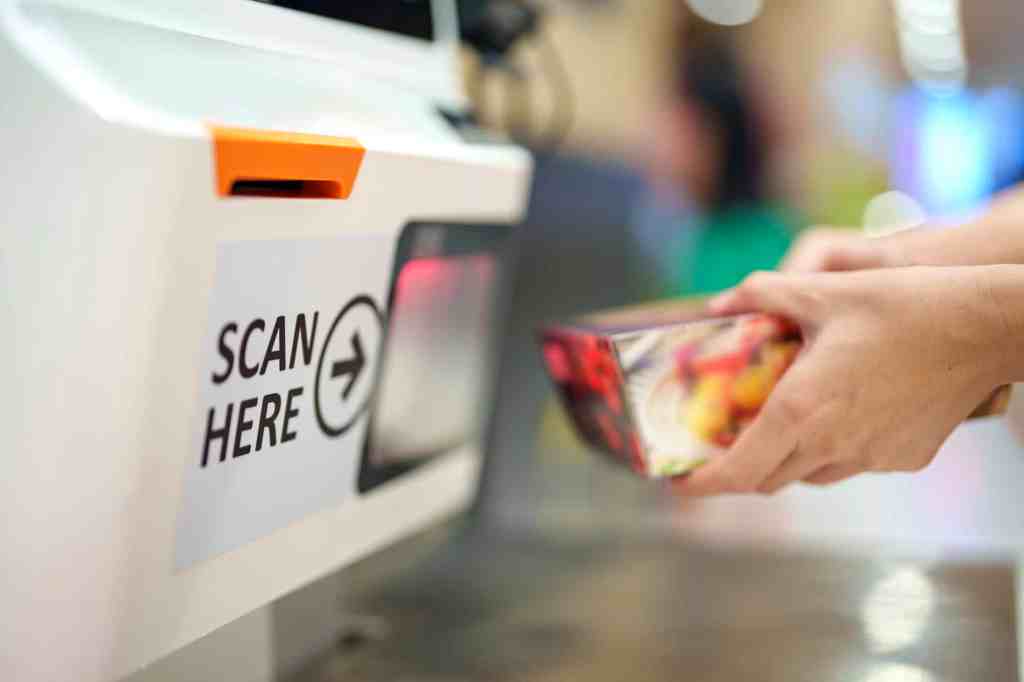
This newfound rise of packaging with barcodes that are invisible improves the aesthetics and security of the item, without compromising the scanning efficiency that’s there. It’s a great way to add some security without it being too obnoxious or jarring for the packaging’s state. 

How this works 

This type of barcode is printed using a UV reactive or infrared ink. While it might not be visible to the naked eye, it can under different lights.    It is applied directly onto the packaging, and will sit evenly with the rest of the packaging materials that are there, creating a sort of invisible protective element that many customers don’t realize is even there. 

The applications 

This type of ink and printing is a little more expensive, however for certain industries it’s a must. 

One example is luxury goods and items. You want to make sure that your items are naturally protected. Well, they can be through the power of invisible barcodes, and what they can offer.   

Another area is pharmaceuticals. A lot of medicine and drug companies are using these barcodes so that those who try to duplicate the medicines to sell in underhanded markets are unable to do such a thing.

Finally, there is counterfeit protection. If you know that the goods are likely to be counterfeited and duplicated through illicit means, you will want to use this, because it protects the items from such measures, making it safer for you to keep and prevent further issues from arising as well. 

The benefits of these invisible Barcodes 

One might wonder if it really is worth the money and extra effort to protect the items. The simple answer is yes, it is. 

It reduces the label clutter. Many times with packaging, when you have too many labels, it can look jarring and ugly. But, invisible barcodes reduce that jarring look, making it easier to look at all of this. 

It also boosts security. For those who want to copy or tamper with the items, in order to create counterfeits, you can use this as a layer of protection, and it will improve the security aspects of the items. 

Finally, it streamlines the supply chain tracking.    Many times, these barcodes can be placed into a logistics system and tracked, resulting in a better way to focus the items and see where they are. You can offer real-time tracking with this that a lot of companies like. Customers will flock to you if you offer such means, because it implies as well that there are a lot of unique, useful ways to protect these items in their own manner. 

New Advancements in Barcodes 

Invisible barcodes are a unique feature not seen in a lot of common products. However, they are becoming more prevalent. 

But there is more to this evolution than one might think.   with the use of AI and proper leveraging, these barcode systems will dynamically update the product information based on external conditions and what’s going on. it can offer real-time tracking and product states, along with internal and external temperatures of the product. This means that the item will have a whole lot of real-time tracking that will tell them exactly what they need. 

The future is in these barcodes, as they offer a different layer of security than others, and with more companies using it, they can have some security no matter where their items are going, or whose hands they might end up in. 

How Magnetically-Sealed Packaging offers Closure without Adhesives 

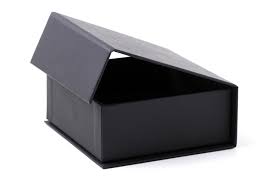
Magnet-based packaging is revolutionizing the industry, offering a better way to seal and provide closures that work for your items in the best ways possible. 

This type of packaging is great if you’re worried about adhesives, or wish to use less when putting together your packaging. Here, we’ll go over the benefits, how this works, and the multitude of applications for this. 

The Process 

This type of packaging involves magnetic strips, which replace the tape, glue, and even plastic snaps of the items, in order to resealable, eco-friendly closures for the items at hand. These are strong, and will offer a tight closure and seal potentially as good as tape or other items. 

This also can be used for sies and packaging boxes, bringing them together. It’s unique, and sustainable too. 

The Industries that Use This 

High-end and luxury products love to use magnets, not just because they’re eco friendly, but because they’re also really nice looking. They’re strong too, offering the tightest-lipped closure that’s possible. 

Another one, is foo storage, and product freshness. These solutions are beneficial, as they offer a better, advanced way for you to help keep the items in their proper locations, and fresh as well. 

Tamper-evident security packaging is the third application. When you offer packaging that shows whether or not someone’s messed with it, it can offer better closure and peace of mind.   with magnetic seals, it can be much harder to get into the item, because they’re so strong. Sometimes, you can add a strip to this as well, so when it’s open, it shows that someone get into the item.   Again, this is beneficial because of how many different ways you can use this, and it can be good for better, more eco friendly packaging seals. 

The benefits 

With magnetic packaging, you’ll be able to improve the reusability of the items.   It’s hard to not use these boxes again after you’ve used them once, because they tend to be stronger than those boxes which have adhesive and tape on them. 

It also eliminates said adhesives. The magnetics are so strong, you don’t need glue to this, unless you absolutely need to. But it’s unnecessary, and reduces the reusability otherwise.   it’s much faster as well when assembling, because you just need to bring the magnets together to close them. 

Finally, it provides a premium unboxing experience for everything. This is beneficial for a lot of brands, because you want to make customers feel special, without breaking the bank. Magnets are kind of the solution to this, and what people are looking for when they want to have packaging that stands out, and really makes a splash. 

So yes, it’s good for all sorts of sectors, offers all sorts of unique reasons, and it can be one of the best ways to make your brand stand out. 

Future Innovations 

Magnets are getting stronger, offering almost like a locking seal on them. Some companies have even invented the possibility of smart magnets, which lock and unlock based on authentication, or specific environmental conditions.   If they are present, or the person proves that they’re the owner, the magnets can unlock, giving you the item inside. 

With so many possibilities, there’s a lot of benefit to be had when you use magnetic seals for your items. Consider using these as an alternative to the packaging that you currently have, to see for yourself just what you can do with your packaging, and the endless possibilities that arise from this, the packaging at hand as well for you too. 

Built-In Assembly Instructions for Packaging 

Having packaging that’s got the instructions inside is great. Some people like to have the item and instruction right there to look at.

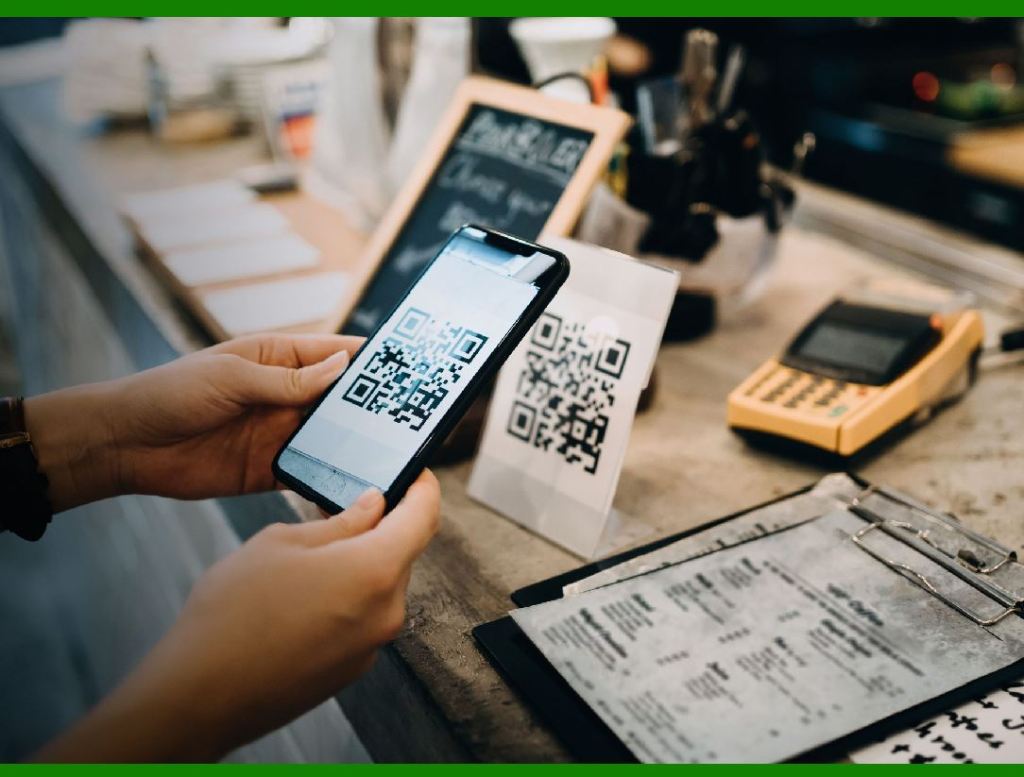
But there is one problem with such.   It can cost money and resources to print the paper instructions as a separate addition.   Some have started to use the QR codes, but it only works so much, and it can be ineffective for packaging that needs to be changed.

With that said, here’s a few different ways to ensure that your packaging has the items. One of the best ways is to print it literally on the box. This is designed as a visual instruction means for assembly. While it might not seem like much right now, there’s a ton of amazing benefits that come with this, to the point where more and more people are considering this, especially in the assembly process. 

How it Works 

Sometimes, you can add the diagrams to the lid of the box, and then customers can look at it as they put the item together. 

Perforated sections that a customer can tear out might also be used.   This aligns directly with the components of the product. 

If it’s small enough, it can fit on the box.   Some people like to include it right under the thank-you note on the boxes, so not only are you acknowledging the support of the brand you have, you’re also able to give them something that really shines. 

The Applications 

With this type of packaging, there’s a lot of applications. 

Flat-pack furniture, especially those that are looking to optimize the box space, might use this. That way, people aren’t having to fish out the instructions from in the box, sandwiched between parts. 

DIY kits are another. People are already learning how to build something themselves. Giving them instructions that are built in is something that they can enjoy, and works well for the overall experience that’s there. 

Finally, tech gadgets. This technology is great, since it can help to ensure that the items are used in a manner that is effective and useful for everyone that’s involved. Overall, the packaging is made with some pre-built instructions, and then, you can use it.

The Benefits 

There’s a ton of benefits that come with this.

First, simplified assembly.   It’s so much easier to assemble these items, to the point where some people prefer it.   they don’t have to look at complex instructions in order to get the items that they need.

There’s also fewer instruction manuals. Think about all of the resources that you’ve saved just through doing this. overall, it optimizes space, printing, costs, and also makes you look more sustainable compared to others as well. 

The future of this Packaging 

Obviously getting the item to be printed on the packaging is a challenge. Some companies are working with this right now.

However, there are new ways, including 3D printed packaging that can unfold into the product’s components. Then, a customer can just take each component based on the printed design and then transfer it to the actual item. It creates better visuals for those to work with. Some have even made it in a manner where it unfolds exactly into the item that’s there, making it even easier for you to enjoy.

Yes, built-in instructions work wonders for your packaging, and giving customers a means to enjoy these built-in instructions is the best course of action, and also helps to make it so that you’re able to really improve the packaging, making it worthwhile for everyone who buys from you as well.