Choosing the Correct Packaging for Heavier Items 

Choosing the correct materials for a heavier item is vital when choosing stuff securely and safely. Whether you’re shipping out products for retail, something fragile, or a heavy product, suing the correct packaging makes a huge difference. The correct packaging materials ensure that everything gets to the destination you’re at intact. 

When they’re not packaged properly, they do become damaged during the transit stage, or they damage other types of items. This leads to dissatisfaction from customers, more shipping, and potential losses of revenue. 

To avoid mishaps, you need to consider the protection for the heavier items. Using strong, sturdy packaging with the necessary support offers protection during this process. 

Here, we’ll go over how to choose the correct packaging for a heavier item so that it stays nice and protected. 

Factors to Choose when Shipping something Heavy 

There are a few things that you need to ensure that you do, in order to ship the heavier items. This will allow the items to stay within the budget and ship out on time in most cases. The right shipping is satisfactory, and good for reputation. 

Durability and Strength 

You want to; make sure that you consider the durability and strength. You need materials that’ll withstand the pressure and stress that goes into shipment. 

Corrugated packaging is the most known for this, and it’s the best for heavier items. They do carry a ton of loads without the items tearing and puncturing both outside and inside. It offers the best protection during the transit process. Corrugated cardboard comes in a lot of sizes, which allows you to choose what’s right for you. 

Padding and Cushioning 

You also need to focus as well when shipping stuff the right cushion for the job.  Many heavier items tend to have larger amounts of downward pressure, and highly-cushioning prevents the objects from messing with the packaging or sustaining a ton of damage during the process of shipping. 

Make sure when you’re shipping to use foam padding, bubble wrap, packaging peanuts, and the like to lessen the impact of the vibration. 

However, bear in mind that the padding materials do vary for each application. 

For instance, bubble wrap, which is super popular for cushioning, does need to be chosen carefully. For heavier objects, you want the bubble wrapping with a smaller bubble, as they’re better for protecting. 

Remember, controlling this movement is integral to the shipping process, especially when involving protecting heavier items during transit.  You want to fill up the space with some high-quality materials to cushion and provide enough shock absorption in order to prevent this damage. 

Here, you’ll find a few products to consider: 

  • Pad loc cushioning pads: these are versatile bags that have peanuts in them,, and they offer a less messy, cleaner alternative to regular packaging peanuts. 
  • Plastic poly bags: they’re safe, economical, and effective for food shipping, and shipping anything that needs to have protection from temperature changes. 
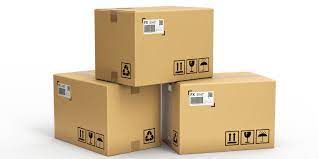
Interior Wrapping 

You should also consider wrapping inside.  This is good for heavy objects, since this provides an important change to these materials. 

Kraft packing paper, and bubble wrap, are all wrapped around these products, before they’re placed in shipping containers for protection. 

This is especially vital for delicate, fragile parts, and are likely to be further broken down during the shipping part. Controlling these components is vital, and interior wrapping is a great way to ensure that the sensitive, valuable pieces are still in place. 

Keep all of this in mind,  and be mindful of the items you grab for your packaging. 
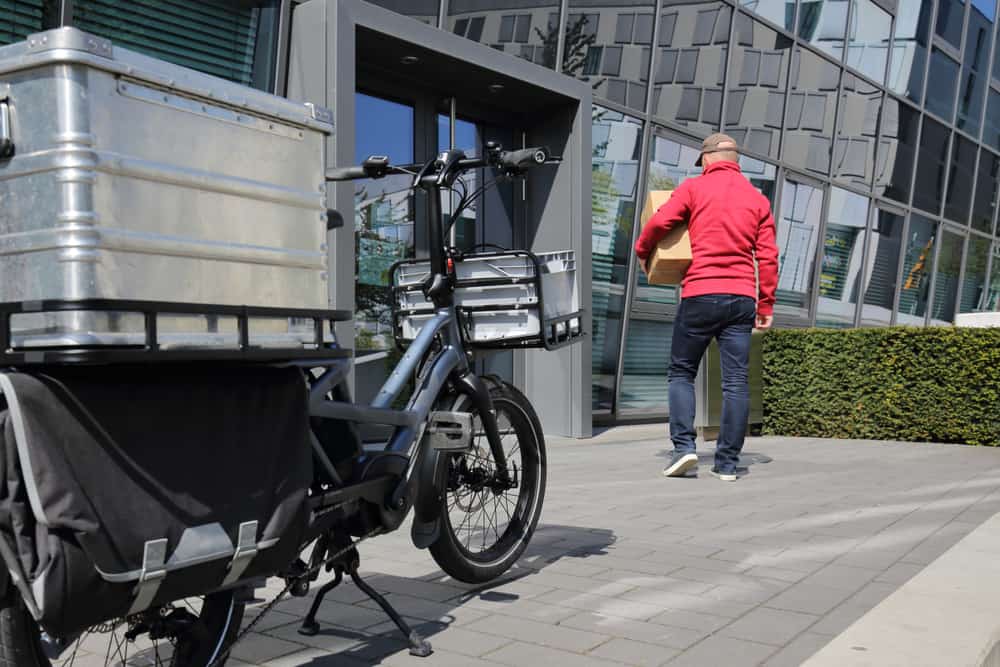
Supplies for Micro Mobility deliveries

More and more people are turning to micro mobility to get around. These are the bikes, lime scooters, and other sorts of various ways to get around. Using it in urban landscapes, it’s great for getting around, and delivery networks. If you’re a company that supplies these items to various delivery networks, especially those in urbanized locations, you want to make sure that the shipping supplies fit the bill. 

Here, we’ll go over the packaging considerations, various innovative solutions, and how these shipping supplies improve urban micro mobility, and really make it better for all involved. 

The Challenges 

These days, there are packaging challenges that come with this.   one big problem, is that these companies want to have the packaging in a manner that’s not taking up all the space while shipping.   With eco-friendly initiatives as the focus, it makes sense that they don’t want to use too much cargo space.

So you need to make it a compact design that fits these spaces. A big challenge is to make it in a manner that will really improve the overall experience, and also ensure that it’s easy to use.

The second issue is finding the materials that are lightweight, but also durable.   These items are handled by many, from supplier to consumer, so making sure that you’re giving them these materials improves the overall experience.

What’s the Solution? 

These days, you have some solutions for the packaging.  

One is foldable packaging. These are items that can be folded and adjusted to size.   When you use this, you can compact all of the designs that you might have, especially for the most limited of locations. It’s great, because it doesn’t overwhelm the space, but also makes it useful for all parties involved.

The other option is shock-absorbent pouches. These pouches absorb all of the shocks and jostles, stopping them from breaking down and ruining the product.   It’s a great feature, and with more companies utilizing this, it’s a great way for you to get the materials that you want to the locations you want to take them to.

The Environmental impact 

All of these options are great, but you also want to make sure that your eco friendly materials complement the micromobility low-carbon footprint. Using plastic alternatives, and biodegradable packaging is a good place to start. Cardboard that’s post-consumer waste is also a good way to reduce some of the effects of these greenhouse gases that other companies might put out.

Just remember that micro mobility is trying to reduce their carbon footprint in urban areas. It’s up to you to make sure that you give the packaging an initiative that will fit the needs of the customer, and make sure that it fits the sustainability that you tout to others.   Adding these materials also will make you as a company look better as well, so bear this in mind.

The future of Micro Mobility 

These days, we’ll be seeing more and more micro mobility in your packaging. One area of focus will be customized packaging for this. Right now, a lot of them are basic with branding, but we’ll be seeing more as more bikes and scooter suppliers come up.

Some may also use last-mile efficiency by having fast delivery of these.  It looks better, and reduces emissions.   Some have even partnered with suppliers that will get this to customers that will get it to them fast.

Overall, micro mobility is the future. And if you’re looking to target this urbanized market, look at your packaging for other alternatives that will make your packaging look even more profound for those who are interested in this product.