Discreet Shipping that Doesn’t Compromise 

Privacy matters. Especially in packaging. Certain product categories need this, both to protect your customers and also to prevent theft.

Health and wellness supplements, with the right protection, offer a better, safer packaging experience. Personal care items, especially when it involves a customer’s name and health information, is another one.   You definitely want to keep this discreet. The telehealth world also needs to use this, especially since they’re now dealing with sensitive categories.

Finally, some need this protection because it requires them to be protective of these items. Collectibles and luxury items need protection, especially when getting to the customer, if only to prevent theft as well. 

The Best Supplies for Preventing This 

You want supplies that are not branded for starters, that won’t give you away. 

You also want them to be strong too, as strong items will offer better protection. 

Finally, you want these to be tamper-evident, as this will offer you more protection from such scenarios. 

No-logo mailers are one example of this. not having the logo will not give people any sort of possibility that it’s you. blacked out tape also will hide just what this is, rather than the transparent tape that will show what’s inside.

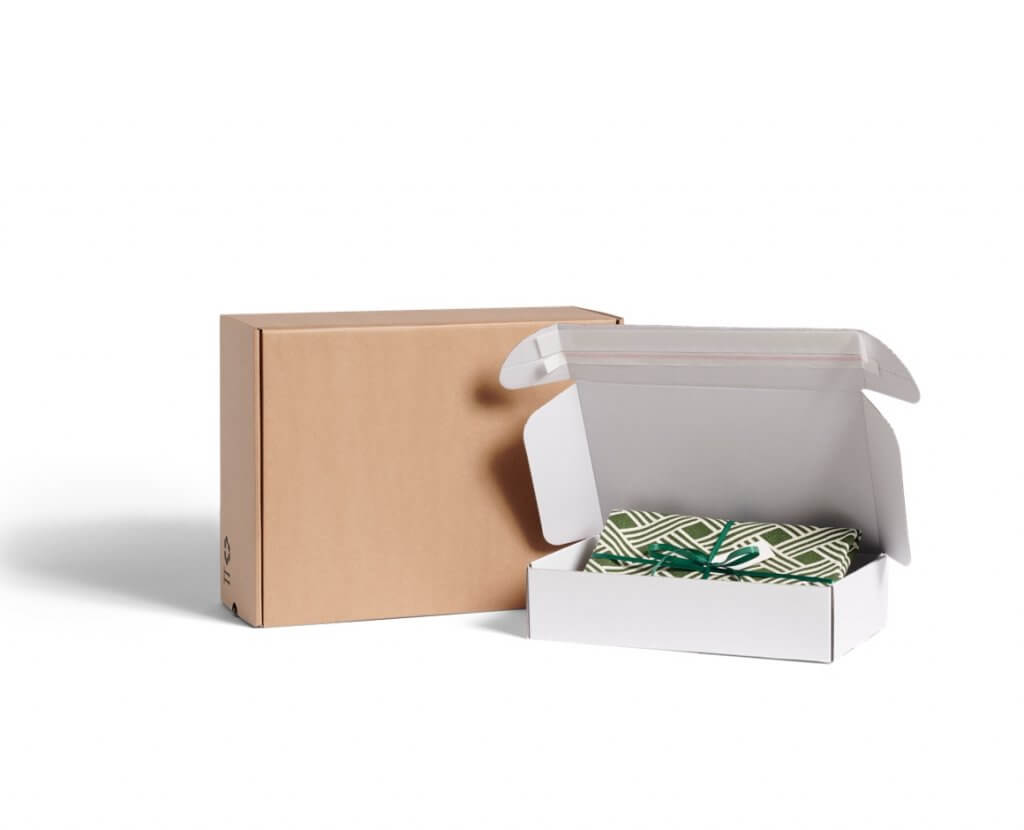
Finally, the type of box that you use is good too. rather than using a bunch of tape or anything that will give it away, a fold-to-lock mailbox will help with keeping things locked until you’re ready, offering some next-level discretion when shipping out items.
How to Balance Branding with Customer Discretion 

The problem with this type of packaging is that some of these may involve issues with brand recognition and customer discretion that will be a problem for some.

You want to give subtle indicators, either inside or on the box. So how do you prevent oversharing? Well, you can add various brand colors, or a pattern that isn’t the logo. It will be noticeable to the customer, but to the other people who see this, it won’t work.

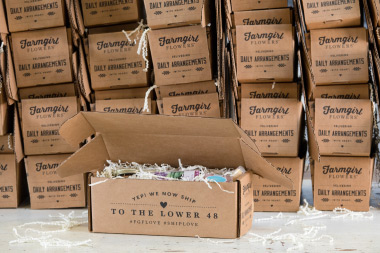
Another example is using a simple box on top, but then the contents are branded. Lots of companies that ship sensitive items use this, where the customer will know when they open it but keeps thieves from getting into this. 

Improving Customer Support Through This 

Now, you want to make sure that the boxes are discreet, especially with health products. Don’t even give the name of your company, as this will help with reducing the customer embarrassment people have. With sensitive health scenarios, having your information plastered all over the box is not the way to go, so having this kept discreet is a bib part of this. 

In turn, when you give customers this, it promotes loyalty too, a big part of customer awareness, betterment, and approval. Customers feel like they can trust you, and in turn, it will help to improve sales and customers returning to your packaging.
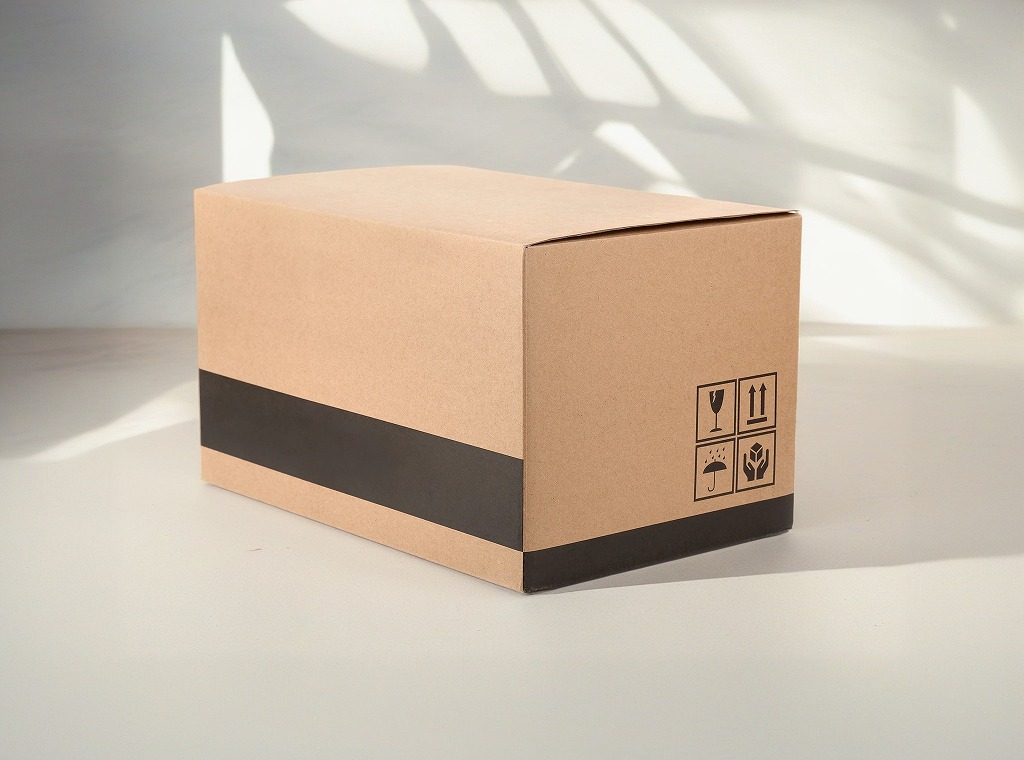
All of this comes together to offer next-level discreet shipping without compromising the functionality of such items. Doing so will help to improve your packaging, and will in turn, make customers feel better about trusting you.

Being able to make your packaging not only stand out but also look discreet when in transit is a big part of shipping. In doing so, you’ll be able to improve the overall repute of your packaging, and make it really shine. Start to focus on your discreet packaging today, and see for yourself just how powerful shipping without blabbing is, and how, in turn, will make customers feel better when buying from your brand and engaging in return purchases. 
Using Packaging Innovations To Survive DIM Weight Changes

Dimensional weight has become a topic of discussion yet again as both FedEx and UPS have increased their rates, and it might be bad news for brands and consumers.

The good news is that there are ways to reduce the impact of dimensional weight changes and manage the pricing strategy. Much of it involves the elimination of air from a product packaging by reducing its size.

In this article, we will discuss some ways to prevent dimensional weight from increasing shipping prices significantly.

Reviewing packaging and shipping costs

If you are a small business, you will be pretty much concerned about rising costs. They include the costs of packaging supplies, equipment, and transportation. Understanding all of your operational costs can help you know where you are and predict where you have to be in your industry. You can stay organized and avoid hidden changes by reviewing and measuring these costs consistently.

Considering Hybrid shipping services

Small businesses can reduce shipping costs with hybrid shipping services. Utilizing USPS for the last mile of delivery is the best way to do so. You can get in contact with the USPS and negotiate a reduced price structure without having to sacrifice the delivery speed or consumer satisfaction. It is undoubtedly one of the best solutions for e-commerce brands and small businesses.

Customizing the box size

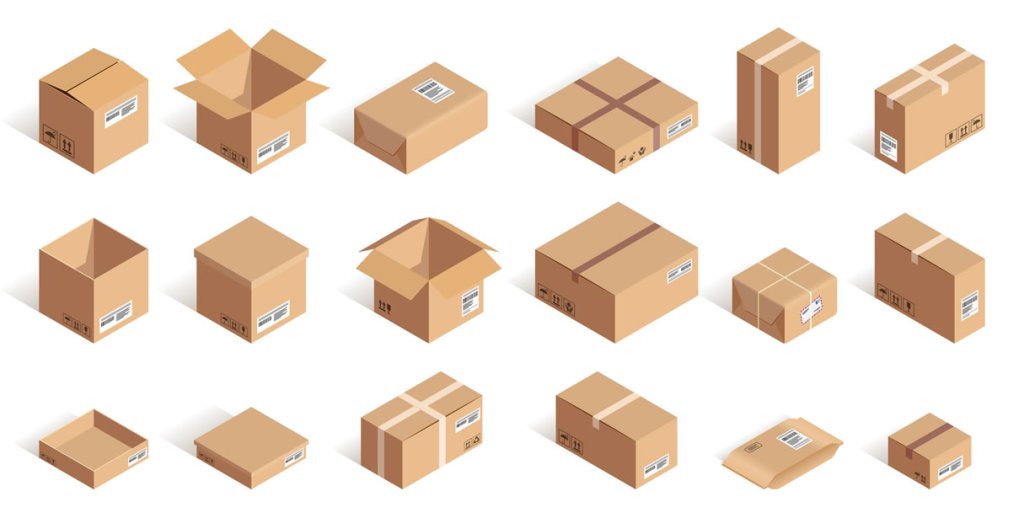
Box size matters more than you think. Understanding the difference between dimensional and actual weight can help you save a lot. You have to make sure to use the correct-sized corrugated box for each of your products. That could mean tossing the one-size-fits-all idea out of the window. Several companies offer individualized solutions to overcome dimensional weight challenges. You can consider using those solutions if they seem to benefit your bottom line.

Using a mailing envelop when possible

You can also reduce your package size by using a mailing envelope instead of a corrugated box. Not only do these envelopes cost less, but they are also environmentally friendly. The surface of these envelopes allows for high-quality printing, which means that they may also provide you a branding advantage. Nonetheless, ensure that your product doesn’t run the risk of getting damaged when packed in a mailing envelope.

Reducing protective packaging

The use of more protective materials adds significantly to the dimensional weight. The best way to counter this challenge is to think about the amount of protection your product actually requires. If you are using an unnecessary amount of void-fill inside product boxes, you may end up paying a significantly higher price for the product packaging and shipping. You will have to see what protective packaging products can be eliminated from the packaging process without sacrificing the safety of your product. Sure, it could require you to run several tests to see what works.

The best approach is to contact your packaging vendor and ask them how to reduce your package’s dimensional weight. They will recommend you the best solution out of their vast experience in the industry.

Designing Packaging for environmental Impact 

If you’re looking to design packaging of any period, you need to make sure that the materials are good. In fact, this is a very important step, and it does have a major influence on both the structural and the technical features of these final products. 

A lot of designers these days must not only think about the technicalities of the materials used, in order to ensure product functionality and correctness, but also they need to look at the environmental impact that’s done too.

Raw materials that are responsible for creating more pollution and aren’t actively helping with the toxic waste that’s out there, are dangerous to not just the environment, but the entirety of the ecosystem too! 

Packaging Design and Environmental Sustainability 

When you’re looking at the design of most packaging, a lot of people associate this idea of it being sustainable environmentally, and usually, the first thing that they think about, is paperboard that can be recycled. But, recycled paperboard is really important, but it’s one of the many different types you can use.

There are even different paperboard kinds that are focused primarily on the revival of the environment, and also virgin paperboard along with the ecological types of paper do vary. 

There are some other types, which we’ll go over right here! 

Fiber Paperboard 

This is one that’s usually done with virgin fibers of wood, and these are not used before the cellulose is used, and this is typically in the form of cardboard and paperboard. 

They’re pure paperboards, and compared to even different kinds, they’re characterized by a better quality, especially with regards to migration, which is the transference of the substances from the packaging to the packaging. And the easiness of this that’s machined. That’s also why a lot of people within the food industry use this.

Most virgin paperboard fibers are FSC certified, produced with a wood that’s originated from forests that are managed, especially according to even the environmental, social, and economic standards.  This is something that’s great too, cause you can sometimes find fully recycled virgin paperboard fibers too. 

Recycled Paper 

This is one that’s primarily made from pulp paper and is picked and then used once again as a raw material fused with specific virgin fibers.  Many pulp papers are less about the good and are actually subjected more so to migration compared to the virgin types of fibers, which is why they’re used in different sectors than food for the most part. 

This is one that’s definitely divided based on the quality of this, and the provenience of such.  Whether it’s trimming of the wood pulp and the printing of the paper, especially to the packaging of the cardboard, to even different wastes from the office, and some cardboard mixes.

This is a paper that’s used a lot more times in order to produce some newer materials, not endlessly, however.

The cost of a recycled raw material is much lower than that of a virgin fiber, and it’s usually difficult to guarantee this too. 

 Eco Paper 

This is one that comes from a sustainable type of source, finished and worked, without any substances polluting this, such as bleached and not with chlorine 

Of these three, this one is great especially if you’re trying to keep paper products out of your packaging. 

When you use this correctly, it can really reduce this environmental impact. However, this one in particular does require you to have a material that’s correct, and a design that’s conscious, for most of the products, especially when you’re looking to improve the functionality of such. 

What to look for when you Choose Corrugated Packaging supplies 

When you’re choosing the suppliers for your corrugated packaging, no two companies will be the same, so you have to consider all of the various factors including the industry expertise, the location, types of packaging and printing, along with how they communicate and certifications as well, in order to ensure long-term business success. 

If you’re trying to choose the right partner, you need to be mindful. The right one will offer better returns, the wrong one, and your business will suffer. There is always that risk of bad standards if you choose the wrong guy of course. Here are a few things that you must consider before you choose to work with certain suppliers. 

They are Proven to Be Good at their Job 

One big thing is you need to make sure that you know that they can do the job. 

They have to meet the standards of the industry, whether it be regulating different international issues with the company, offering great transportation that works, and they know how to do all of this while balancing the budget. 

You want to go for quality control and efficiency, which means that you’re constantly meeting the specifications of packaging, streamlining this, and then reviewing different testimonials so that you know whether or not you’ll be able to overcome the challenges which are there. 

You want someone who knows what they’re doing and won’t get you into legal trouble as well when you look at it. 

They focus on corrugated Packaging 

While you can get a manufacturer who is good at well, everything, it’s better if you choose someone who fits the field you’re trying to work in, in this case corrugated packaging. 

They should know how to print, the types of packaging they offer, and what they’re doing differently to improve the distribution aspects of this as well. 

If you’re looking for the right supplier you want someone who knows how to cater to a variety of people, and the different types of packaging. The printer will typically have different printing styles that guarantee it’ll fit the needs of the brand and will evolve with it. 

They provide Complementary services and products. 

Finally, you want to make sure that you’re choosing the right supplier for this, and that of course, includes the ins and outs of the packaging that is indeed there. 

You want to make sure that you choose packaging that is as good as it says it is. If the company cannot offer a free sample for one reason or another, that should be a red flag. 

You should also be able to get free samples as well for the packaging that you  are getting, and any sorts of new products. Polyethylene, polyurethane, and other types of packaging forma also do well with this. 

You should also find out what their services are and try them out. Some people also offer complementary contract packaging to help with this, along with the fulfillment and distribution of orders. You should take into consideration all of this. 

You should also make sure that the vendor does have specific credentials and such too, but when you’re getting for the proper packaging services always take some time and learn about the different services that they offer, and if they have any red flags early on, you can see them right away so you don’t have to work with them. 

This alone can be a really good way to ensure that you’re getting the quality packaging that you need, at a price that you totally deserve! 

How to Choose Product Packaging 

Packaging is a lot more than just product protection, and one great way for a brand to stand out is to make sure that you offer marketing that shows off the brand, shows the features that are the best parts of the product, and also gives the customer a truly remarkable experience. Dependent on the audience you’re looking to target, this is either super minimal, such as a box, or something that’s very important for you to look at. 

You can even make it a situation so that the buyers can take the package and even use it for their own needs, and give them a reason to really want to buy what you have to offer. Herne’s what youhave to look at when choosing the packaging to use for products, and the right materials to use. 

How the Product will Look with It 

You need to make sure that the product itself will fit into this, otherwise, it’s going to be a waste of time, and money. The first thing, is you need to look at the packaging size, to look at the arrangement. If the product is really big or strangely shaped, you want to go with custom packaging. 

Then, you want to make sure that ifrit’s fragile, there are ways to account for this as well. If your product weighs a bit, it’s important to get corrugated materials, such as corrugated boxes, to help with this. The materials as well are important. If you have products that are ceramic, glass, or are fragile, you’ll also want to look at the filler that’s going to be used. 

What the Packaging Is Used For? 

Products that are going to be around on the shelf for a bit do need to stick out for a bit. 

You should consider the print finish, and make sure to have that on there if you want it to look sleek even if it’s on the shelf for a bit. This is important for products that are going to be sold within a store. You should consider the following factors when you’re getting packaging to display: 

  • How much will be visible 
  • How much will appear when they’re on top of, or next to one another 
  • How to set it apart from the rest of the crowd 

If the product is going to be online, and then shipped to others, you need to make sure that you give it the proper interior and exterior packaging so that the package itself doen’st get bent or ruined. 

The Recipient 

Before you start to design this, the final thing to do is to identify who is going to be the customer for what they’re buying from you. 

This is because, the personas that you’re going to be marketing to do determine what you’re going to get sold, and also what gets the attention of a customer to the materials and packaging. 

For example, if you’re selling a beauty product, are you going to market it to multiple types of people? Or just women? If it’s a product for children, how are you going to market it to kids? What about those eco-friendly products? Are you going to use diffenrt types of material to ensure that you’re going green? 

The products that are going to be for those who are older do need to have a larger, more profound text. Those that are luxury products should be made with luxury materials, so make sure your packaging also follows this, along with the other factors that go into this as well for customers. 

Is It Possible To Recycle Bubble Wrap

Bubble wrap has been one of the most popular packaging materials for over 50 years. The unique design and pliability of this packaging material protect valuable products of varying shapes and sizes.

While this material can protect products from damage during the supply chain process, it is necessary to understand its impact on the environment. The first question that comes to mind in this regard is about the recyclability of bubble wrap. You may also wonder about its eco-friendly alternatives.

What is bubble wrap?

Developed back in 1960, bubble wrap was used to ship heavy computers manufactured by IBM. Those computers required protection from something extremely shock-resistant, and bubble wrap did that job well. This packaging material proved to be more useful than other cushioning supplies such as newspaper, sawdust, and horsehair.

What is bubble wrap made of?

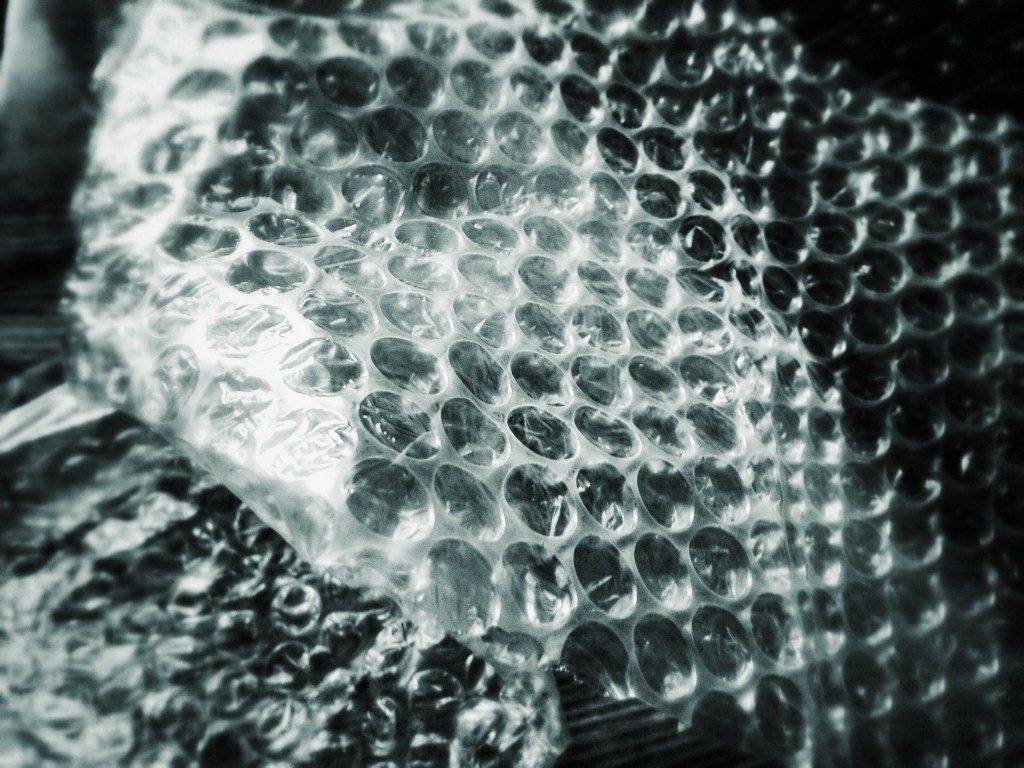
Bubble wrap is made of plastic sheets. One of these sheets contains thousands of tiny sealed air pockets. These pockets provide optimum protection against bumps and shocks generated during the shipping process. They absorb shocks to keep the packed goods safe and secure during harsh journeys.

Recyclability of bubble wrap

Bubble wrap produced these days can be put in a regular recycling bin, just like any other recyclable plastic product. The waste management company picks this bubble wrap and takes it to the recycling unit where it is recycled and repurposed to make different plastic products. While it is a recyclable product, it is not biodegradable, which means it will not decompose even after thousands of years.

Bubble wrap has proved to be a reliable and versatile protective product for nearly all types of products and packages. However, it has fallen under scrutiny in recent years. Amazon started using non-recyclable bubble wrap, causing a media uproar in different parts of the world. As a result, it had to shift to using paper and cardboard packaging.

The contamination problem remains unaddressed with so much bubble wrap being manufactured around the world and very little of it getting recycled due to misinformation. That has contributed to increased ocean pollution and overflowing landfills.

Alternatives to bubble wrap

With the help of modern technology, manufacturers have been able to produce many eco-friendly alternatives to bubble wrap. One such material is PuffPack, which consists of recycled paper. This product yields 50% better results compared to flat paper. That means you can use less of it without sacrificing the safety of your products. It consists of 100% recycled paper, and it is completely recyclable. It is also compost-ready.

Eco-friendly packing peanuts are another alternative to bubble wrap. These peanuts protect your goods just like regular packing peanuts. Made from 100% recyclable materials, this packaging product is also completely recyclable.

Is bubble wrap recyclable?

The short answer to this question is yes. However, it is necessary to consider the environmental impact of using oil-based plastics to protect your products during shipping. With a lot of alternatives available and each of those offering versatile benefits, you can choose the one that fits your requirements nicely.

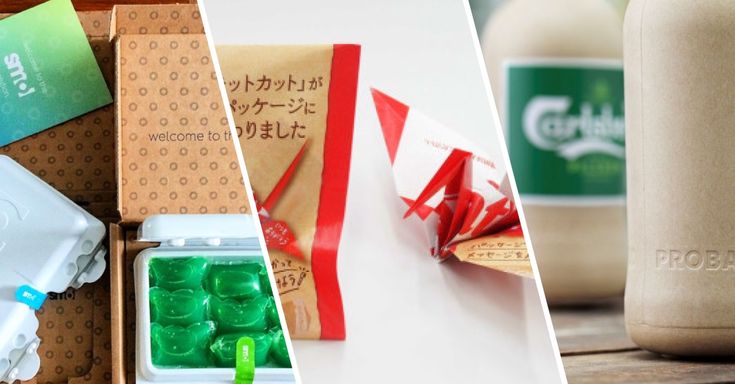
Why Companies are Shifting to green packaging 

Green packaging, known as sustainable forms of packaging, uses production and materials to decrease the consumption of energy, and reduce the detrimental results for packaging that happens to the environment. 

Green packaging refers to the biodegradable, reusable, and compostable types of materials in order to pack, wrap, and finally distribute various items. 

It also relates to the pollution reduction manufacturing and the recycling of items. 

It’s a more low-cost solution to help with the carbon footprints that are increasing, and according to the EPA, it actually can stop the filling of landfills where packaging accounts for a third. Green box packaging helps with creating more sustainable resources for you to use. 

Why companies are Shifting 

These days, businesses have to go green box with their packaging. 

It’s eco-friendly, so it will obviously help the environment. 

Plastic, cardboard, and paper are good packaging materials, but they consume a lot of energy.  You need something that’s environmentally friendly, and easy for you to use. Energy is usually gotten from fossil fuels, and that emits tons of carbon dioxide, along with methane into the air.  Along with this, waste from this packaging is disposed of into landfills and aquatic areas. It’s harmful at every single step, which is why eco-friendly types of packaging are much more sustainable as an option. 

What makes this friendly to the environment? 

There are a lot of characteristics that fit with this.  Here, we’ll give you a few. 

First, they’re better for environmental issues.  They are what signify care for the environment. In our world of packaging, whether boxes or crates, you want something that can typically be recycled. They’re made from biodegradable, recycled materials. This reduces the waste from natural items and resources. 

Along with this, production is far more efficient, and it lowers the consumption of these essential resources by a lot. It also lessens the negative impact of companies too. 

It’s also higher in resistance. More vital and rigid materials will save you some money by lowering the materials that you need, while further reducing the waste and the damage. They also allow for compact, smaller packaging too in a lot of cases, all without compromising the protection that’s there. 

Finally, they’re lightweight. With a lighter protective packaging, the transportation and the distribution are far more efficient, which results in much higher cost savings. With tons of packaging materials used every single year, even a few grams less within a box will have a major difference in the long haul. 

Boost your Reputation 

Your branding image can have major improvements through the ecologically friendly types of packaging. 

A lot of customers are more concerned than ever about the environment, especially when they hear that there are sustainable materials that can positively impact the world around you. 

In other words, you’ll be able to keep, along with attracting a lot more customers, than you might otherwise do. it offers a positive impact on customer minds, boosts the profits, and also results in better branding and image. A lot of corporations also prefer to have agreements with companies that push for sustainability. 

So yes, green packaging can benefit you as a brand and a business. You hit those needs that customers have for environmentally friendly and smart services that are there.  you’ll also be able to get the best types of packaging while also offsetting the costs, other materials, and the like. 

You can choose what you want, and you can choose the trends at hand that go with this packaging, in order to benefit it.  That way, people will be able to ensure major benefits. 

The Best Ways to Pack a Box 

If you’re someone who is worried that they’re not packing and shipping stuff correctly, you’re not alone. Here, we’ll go over the exact steps to pack a box for shipment, so that it’s shipped strongly, and effectively. 

Picking the box 

There is a dilemma that comes with choosing the boxes.  It’s important not to go too big, or too small. 

So let’s look a little bit deeper. 

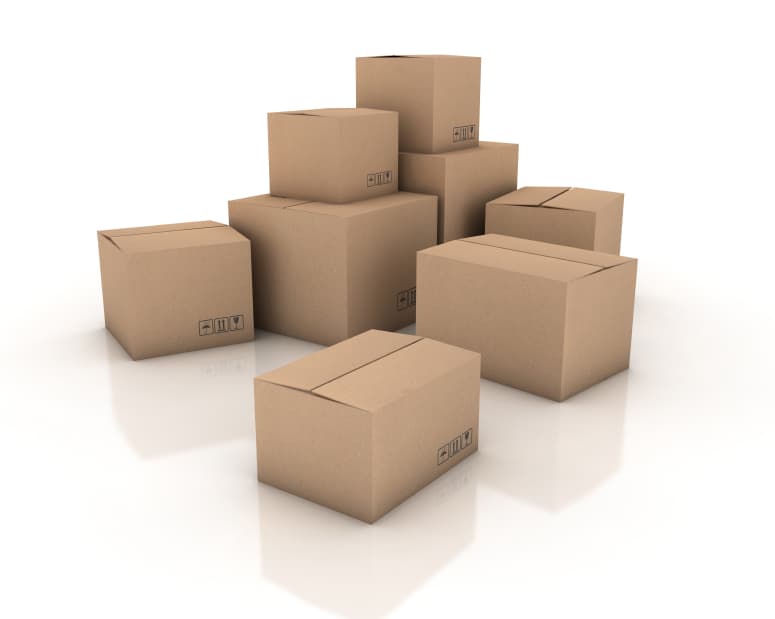
When choosing the right box, you’ve got cardboard boxes or corrugated boxes, and both are good for different reasons. 

For cardboard, it works well for versatile, lightweight, and cost-effective. They aren’t as sturdy and may not withstand rougher handling. However, they’re good for items that aren’t fragile, or anything that doesn’t need heavy duty shipping. Clothes and the like benefit from this.  they’re good for casual shipping. 

Corrugated boxes are very sturdy, and offer better protection, and offer a wavy layer that’s perfect as a cushion.  They’re a bit more expensive, but they are stronger.  They’re great for fragile and vintage items, along with electronics too. With their extra protection, they’re good for shipping items that need a little bit of extra room to it. 

Go Wholesale? 

Well, if you’re going to ship a lot, you may want to make sure that you’ve got wholesale boxes. They are better to be bought in bulk, as they offer the most bang, and are consistent. 

They also are god for scrambles that aren’t last minute, offering boxes for every sort of situation. 

They are good for flat rate and corrugated shipping, and provide boxes for all sorts of instances, and more options too. 

Preparing the box 

You want to make sure that before you ship out the item, you prepare it. 

If there’s any loose parts like corners, then clean it and secure it. 

If there are fragile items, wrap this in bubble wrap, as this is something that offers the best security. 

Packing the Box 

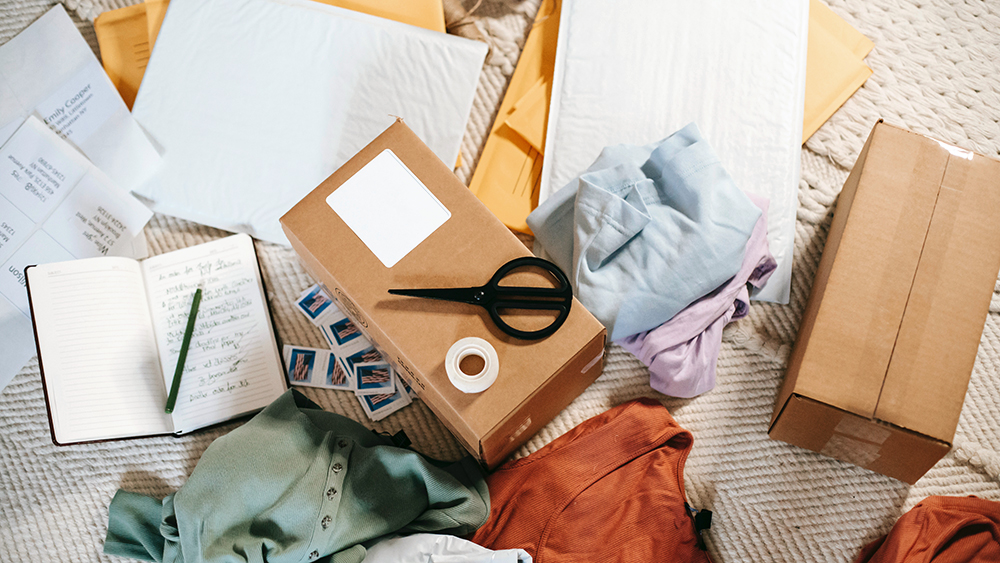
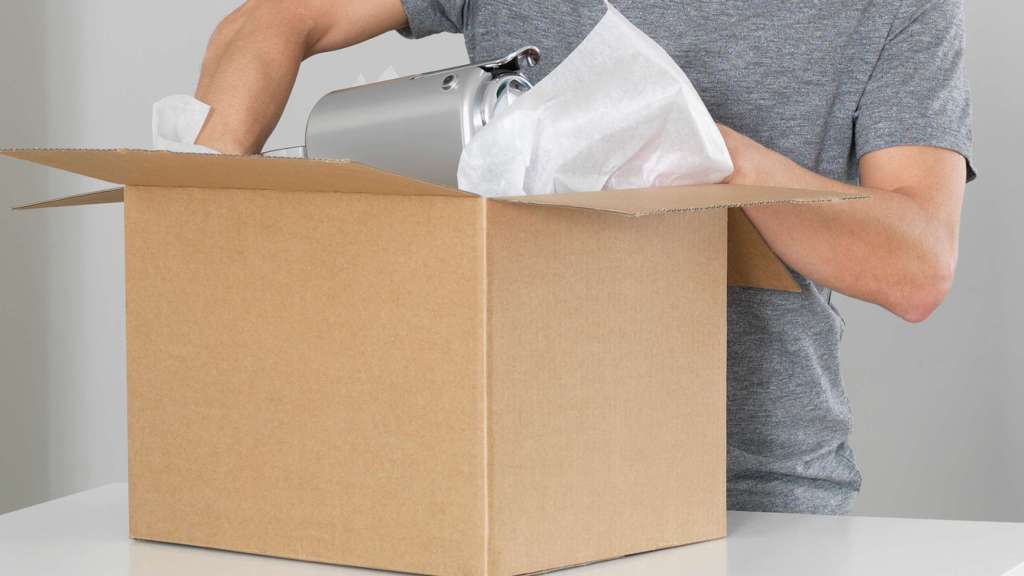
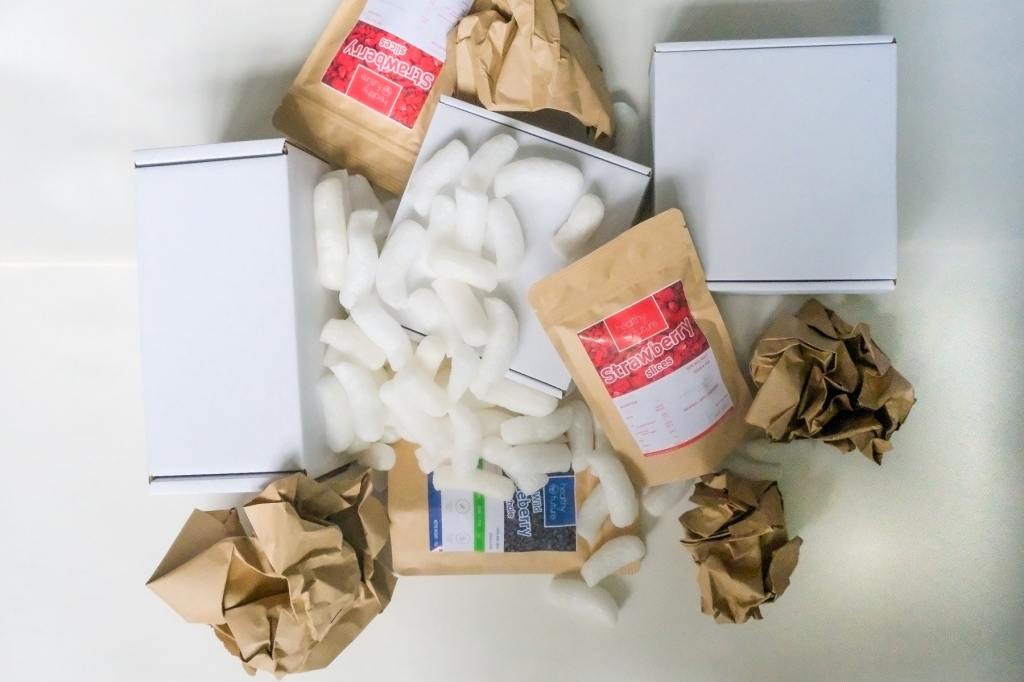
Next, you want to pack it. start with packing peanuts, or crumpled papers. Place the item with =in the center, and then, fill up the gaps with further packaging material. Think of it like a blanket for the products. If you’re shipping something that is flat, such as artwork or documents, then you’ll want to use flat shipping boxes. They are flat, so they keep everything protected, and they are good for arriving in perfect condition. 

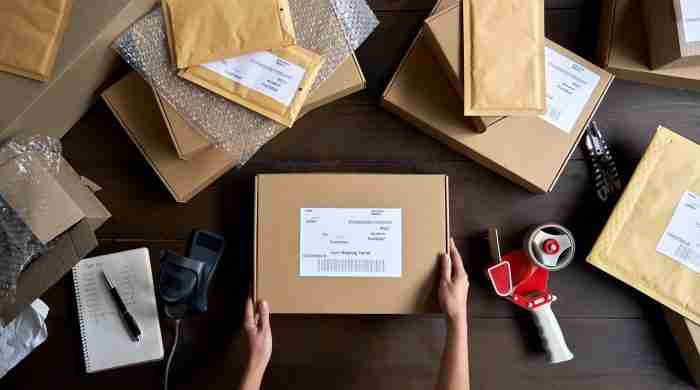
Finally, you want to label and seal this, as this is good for sealing and protecting everything. Abel this clearly, and make sure that the tape you use is strong. 

Delivery Boxes 

Finally, you want to make sure that you use the correct delivery box for the job.  They are good for helping to ensure that you get the right possible outcome from this. 

For books and magazines, you want something strong and sturdy, and something that protects the corners. 

Electronics require more padding, and enough to have bubble wrap inside. 

For clothing, soft and flexible, or something lightweight is usually the best way to handle this. 

Finally, for documents and artwork, you want flat shipping boxes, as they keep everything nice and pristine. 

When you have these boxes, always make sure that they’re stored correctly. Keep them dry and cool, and away from anything that’s damp. As for flat boxes, you want to keep them flat, as they are necessary. 

Always make sure that you don’t overload them either. If you have future delivery, always keep them from being overloaded, since this can cause them to get crushed, ruining your own personal box experience as a result. 

Why Protective Packaging Matters 

If the company needs to ship anything, there’s a chance that you’ve thought about the possibility of investing in some protective packaging. Bubble wrap, foam, and other types of packaging protection will help prevent the items from becoming damaged. 

While businesses look for different opportunities, this is an area that’s much safer than sorry. If you’ve ever had a package arrive with damage, you’ll want to re-think how the business and the packaging protects this, or else you will risk losing the profit margins and refunds. 

Why it’s important 

It’s important because usually 10% of packages do arrive at their destination with some form of damage. While this does vary, it can definitely be a greater number depending upon the type of service you use. For instance, FedEx does have packages that arrive 7% of the time, whereas 11% for UPS packages. 

You don’t want to take a chance with this type of thing.  As a business, you should use protective packaging. 

There are a few instances to us ethic, and they’re listed below: 

You Sell Objects that are Fragile 

When you’re shipping breakable products, protective packaging is the answer. Wrapping items that are breakable in foam or even bubble wrap does protect them during the transit process. 

Even if the products aren’t breakable, or made of glass, you’ll want to make sure that you have packaging that’ll hold up against the bumps, shakes, droppings, and other types of damage that happens. 

While it’s totally impossible to fully guarantee that everything will arrive intact, you’ll improve this through package upgrading. 

Even if there are slight doubts on the products and their ability to arrive in an intact manner, always err on the side of being protective with the packaging. 

You’re Shipping to Different Countries 

With international mail, it gets tossed around a lot more, since it’s got a far longer journey. That means, in order to save the products and ensure they’re shipped correctly, you need to use protective packaging. 

Something that you may not even bat an eye about not protecting will arrive damaged in a lot of instances. This leaves the products within this further exposed to more damage. Protective packaging is not just used to protect items from being moved about, it also offers an extra layer especially if the envelope or the box rips. This is also good if the person that’s delivering straight up leaves this outside, since the factors change when you do have a larger distance. 

The items are Easily Scratched 

If you’ve had a product that’s easy to scratch or scuffle when you ship it, especially when improperly manhandled, you’ll want to use protective packaging. Customers don’t want this, and this can provide a barrier around it. it shields the items from further scratches by the inner parts of the container when you ship them. 

You’ve Experienced some form of Damage Before 

Even items that are durable do become damaged when shipped. Some surfaces are scratched, cracked, dented, and the like, especially when jostled. So no matter what is sold, you’ll want to add some protective packaging for item shipping. 

This is especially the case if customers complain about their items being damaged in the mail. No matter how good the product is, your review will be bad if that does arrive damage. 

It’s very important to package out the items with some care, in order to ensure that there is some client satisfaction. 

Consider this when you’re making sure that you get the right protective packaging for your needs, and the needs of the customers as well too. 

How to Choose the correct Packaging Flute 

When you’re working with corrugated paperboard and other fibers, one thing that people tend to forget is the flute that’s best used. 

There’s a lot for you to choose from, and you must make sure that each of these are understood, prior to making the final deciding actions.  Here, we’ll discuss what type of flute to use, and some of the benefits for each to consider. 

What Flute Is 

Flutes is another word for corrugation, or corrugated times. Essentially they’re a more wavelike type of line that is stuck to different linerboard layers.  This is what provides the linerboard with some extra support and strength, good enough for even the heaviest of different items. 

These flutes are good for structure, but also for insulation. This improves the crush strength of this and helps to create a more puncture-resistant type of box for you to use. 

Flutes come in different types of sizes, which we’ll go over below. 

First, you’ve got the A flute, and this is the thickest out there. It’s great for anything that needs a lot of strength, and the stiffness of such is great for industries.  This is good for heavy items, but if you’ve got designs that need to be detailed, this is not the ideal. 

The B flute is the next biggest.  It’s a bit thinner and stiffer though than some of the others, and the arch height tends to be lower.  B flutes are great for good designs, and also for die cutting. It’s resistant to puncturing and crushing.  It was made originally for packaging different canned items, and these days you use it for trays for drinks, any glass to glass packaging, and other types of items. It’s also good for dividers and pads. 

Then there is the C flute, which is the second thickest, and it’s the best for crush resistance. This is also one that’s considered to be more all purpose than others. It’s also easy to stack on too, without breaking.  It can also handle printing and the like too. This is what most shipping boxes come in, and is good for furniture, dairy, glass items, and so many others. 

E flute is a thinner one, but don’t write it off. It’s easy to fold for the most part, has a very good crush resistance, and it also can offer more high-quality printing items.  This is stronger, better for the environment, and also is a good alternative for some other folding cartons. It’s not good however for shipping and tends to be subpar when you look at the protection from puncturing. 

Finally, we’ve got the F flute, which is about half of the thickness of the E flute, and this is another one that’s got far less fiber than the E flute. It’s rigid, sand also is a great alternative to these foldable cartons.  It’s sometimes used interchangeably with the E flutes in some cases. It’s good for clamshell packaging, specialty items, and also small items in retail packaging

Choosing what’s right for you 

This can be a bit of a challenge. Sometimes it’s easy, especially if you’ve got a thicker product that needs more durability and protection. Those who have a thinner product that’s more specialty may also have an easy decision.

However, if you’re still having trouble, you can talk to the packaging retailer, as they can give you an idea of the ideal fluting size for your needs, and to help you choose the right packaging that best fits what you want, and every other factor to be considered.