Discreet Shipping that Doesn’t Compromise 

Privacy matters. Especially in packaging. Certain product categories need this, both to protect your customers and also to prevent theft.

Health and wellness supplements, with the right protection, offer a better, safer packaging experience. Personal care items, especially when it involves a customer’s name and health information, is another one.   You definitely want to keep this discreet. The telehealth world also needs to use this, especially since they’re now dealing with sensitive categories.

Finally, some need this protection because it requires them to be protective of these items. Collectibles and luxury items need protection, especially when getting to the customer, if only to prevent theft as well. 

The Best Supplies for Preventing This 

You want supplies that are not branded for starters, that won’t give you away. 

You also want them to be strong too, as strong items will offer better protection. 

Finally, you want these to be tamper-evident, as this will offer you more protection from such scenarios. 

No-logo mailers are one example of this. not having the logo will not give people any sort of possibility that it’s you. blacked out tape also will hide just what this is, rather than the transparent tape that will show what’s inside.

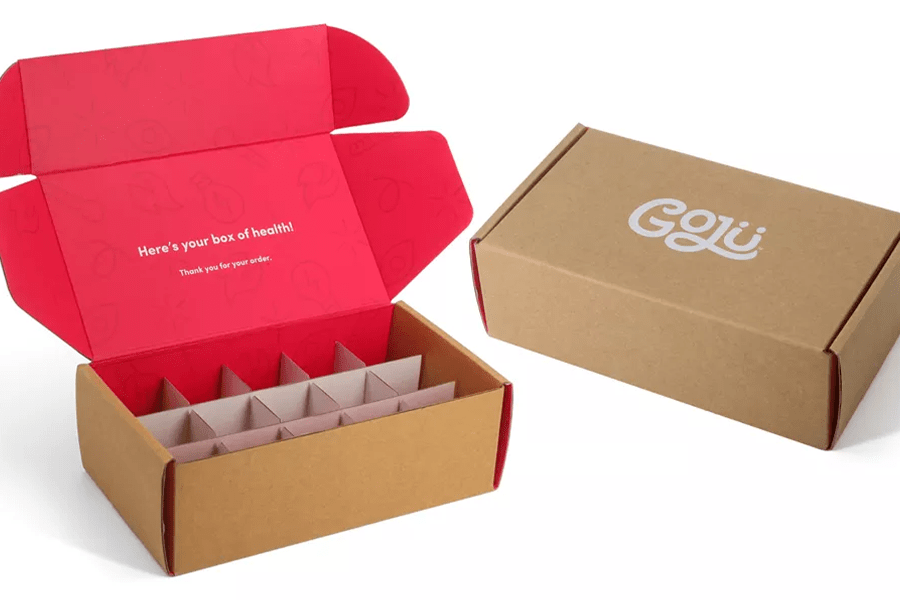
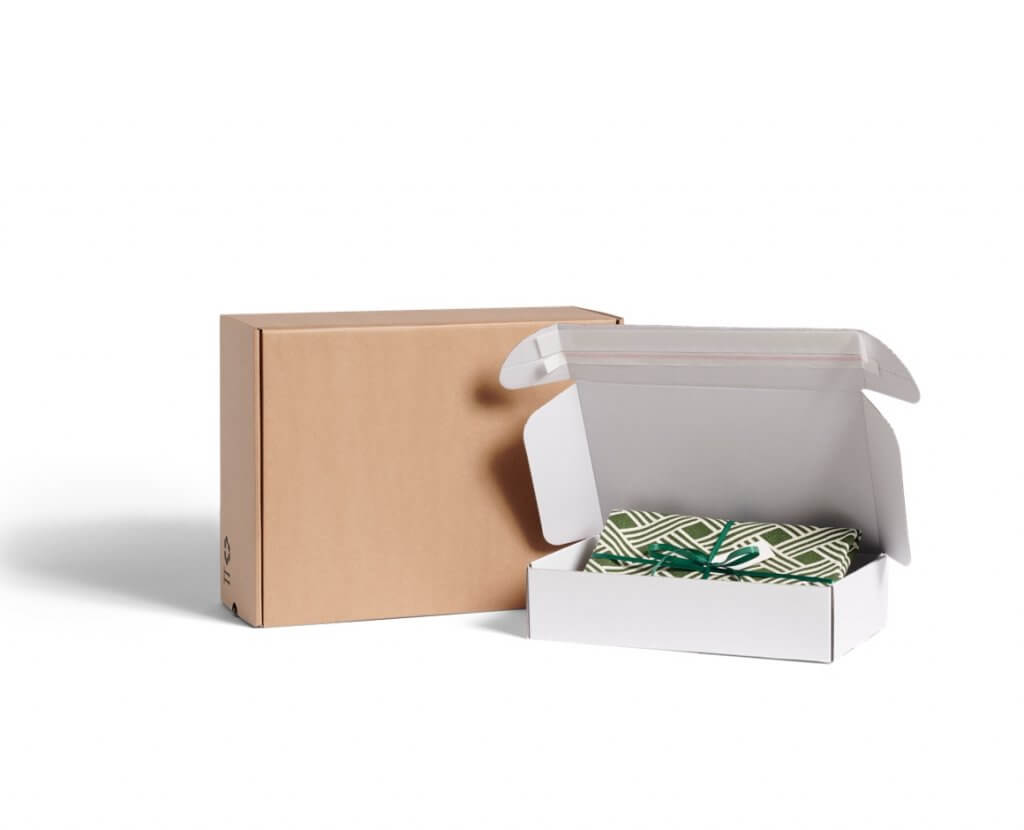
Finally, the type of box that you use is good too. rather than using a bunch of tape or anything that will give it away, a fold-to-lock mailbox will help with keeping things locked until you’re ready, offering some next-level discretion when shipping out items.
How to Balance Branding with Customer Discretion 

The problem with this type of packaging is that some of these may involve issues with brand recognition and customer discretion that will be a problem for some.

You want to give subtle indicators, either inside or on the box. So how do you prevent oversharing? Well, you can add various brand colors, or a pattern that isn’t the logo. It will be noticeable to the customer, but to the other people who see this, it won’t work.

Another example is using a simple box on top, but then the contents are branded. Lots of companies that ship sensitive items use this, where the customer will know when they open it but keeps thieves from getting into this. 

Improving Customer Support Through This 

Now, you want to make sure that the boxes are discreet, especially with health products. Don’t even give the name of your company, as this will help with reducing the customer embarrassment people have. With sensitive health scenarios, having your information plastered all over the box is not the way to go, so having this kept discreet is a bib part of this. 

In turn, when you give customers this, it promotes loyalty too, a big part of customer awareness, betterment, and approval. Customers feel like they can trust you, and in turn, it will help to improve sales and customers returning to your packaging.
All of this comes together to offer next-level discreet shipping without compromising the functionality of such items. Doing so will help to improve your packaging, and will in turn, make customers feel better about trusting you.

Being able to make your packaging not only stand out but also look discreet when in transit is a big part of shipping. In doing so, you’ll be able to improve the overall repute of your packaging, and make it really shine. Start to focus on your discreet packaging today, and see for yourself just how powerful shipping without blabbing is, and how, in turn, will make customers feel better when buying from your brand and engaging in return purchases. 
The Top Packaging Trends to Check out 

There are a lot of different changes that have happened in the packaging industry. These trends are worth checking out, as they can be pretty interesting, and will help you grow your business. Here are the top packaging trends for you to check out, what they are, and why they’re so important for you to know about, especially if you’re trying to ensure that you have the best packaging possible for the job. 

Ecommerce Triumphs 

The first major difference compared to even the 2000s and early 2010s, is the ecommerce, and how it’s thrived. With more closures of different shopping centers and with the pandemic still a major problem for people, a lot of businesses have to move to online in order to generate profits. This is a varied but profitable part of this, with packaging playing a vital part in the loyalty of customers. This unboxing is a huge part of the experience of customers, with major elements being that they’re essential, functional, but also personalized. 

One example of this is the cardboard rollover lid box that’s hinged. It’s robust, but also really aesthetic, and because of this, it looks good and distinctive in plenty of instances. 

Being Sustainable 

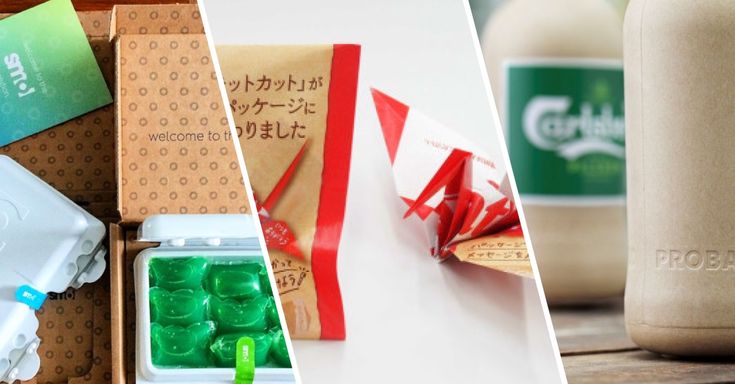
You’ve probably seen this with a lot of different people, including Greta Thunberg and the like. Sustainability is something that exists in all parts of the world, where different choices are based on the materials and the environment that’s there.  you don’t have to worry about polystyrene and plastic as much, and now, you’re offering materials that will satisfy these groups. As a business, you need to make sure that you have this in place, as it’ll satisfy everyone in all sorts of demographics and sectors as well. 

Interactive Packaging 

This is a unique one.  This is a new type of process, but a lot of businesses are starting to use this. gone are the days of just having some sort of product reference, but instead, you literally make your packaging a tool for marketing, involving the person that’s there in an experience that’s immersive and multi-channel in a lot of cases.

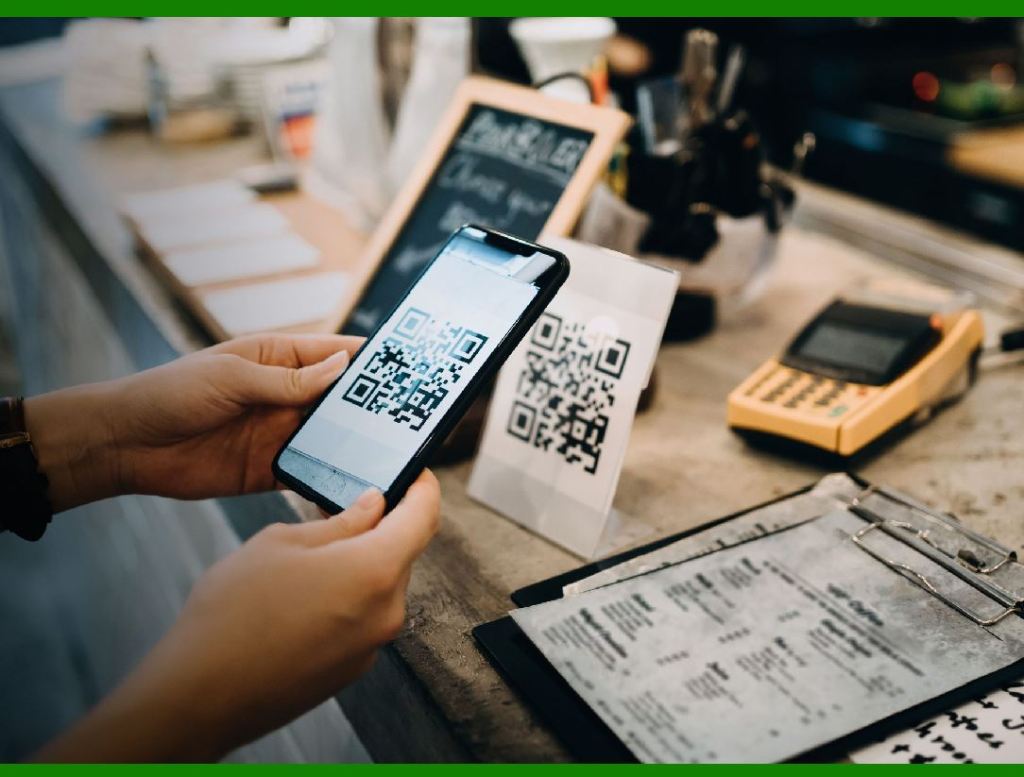
Augmented reality is something that’s pretty cool, and by simply just shooting the packaging with a phone, a person can look at the product that’s there, and also some other information and the like.

QR codes have become a huge part of this, and you can start to transfer this to a QR code that brings them to competitions, and even social media pages, and it offers further interactions with brands. 

Delivering Food 

With the pandemic still a thing, a lot of people don’t want to go out and sit in restaurants. The delivery of food has become a great way to get food to people, and even in places with no restrictions, people still use this, as it offers new ways for you to reach these clients.  It’s great for a lot of people who want to have their package properly warmed up, and in a way that offers the ideal conditions for storage, and in a way so that the packaging doesn’t become too difficult or bulky. You can get some packs that are compact, easy to stack, and even help with the transport. You can also get them recycled or even compostable, and this is a great way to ensure that the food quality is good.

If you’re looking for new packaging trends, this is it, and through this, you’ll be able to find new trends and use them for your packaging needs, and bring them to newer customers whenever you want to do today! 

Using Packaging Innovations To Survive DIM Weight Changes

Dimensional weight has become a topic of discussion yet again as both FedEx and UPS have increased their rates, and it might be bad news for brands and consumers.

The good news is that there are ways to reduce the impact of dimensional weight changes and manage the pricing strategy. Much of it involves the elimination of air from a product packaging by reducing its size.

In this article, we will discuss some ways to prevent dimensional weight from increasing shipping prices significantly.

Reviewing packaging and shipping costs

If you are a small business, you will be pretty much concerned about rising costs. They include the costs of packaging supplies, equipment, and transportation. Understanding all of your operational costs can help you know where you are and predict where you have to be in your industry. You can stay organized and avoid hidden changes by reviewing and measuring these costs consistently.

Considering Hybrid shipping services

Small businesses can reduce shipping costs with hybrid shipping services. Utilizing USPS for the last mile of delivery is the best way to do so. You can get in contact with the USPS and negotiate a reduced price structure without having to sacrifice the delivery speed or consumer satisfaction. It is undoubtedly one of the best solutions for e-commerce brands and small businesses.

Customizing the box size

Box size matters more than you think. Understanding the difference between dimensional and actual weight can help you save a lot. You have to make sure to use the correct-sized corrugated box for each of your products. That could mean tossing the one-size-fits-all idea out of the window. Several companies offer individualized solutions to overcome dimensional weight challenges. You can consider using those solutions if they seem to benefit your bottom line.

Using a mailing envelop when possible

You can also reduce your package size by using a mailing envelope instead of a corrugated box. Not only do these envelopes cost less, but they are also environmentally friendly. The surface of these envelopes allows for high-quality printing, which means that they may also provide you a branding advantage. Nonetheless, ensure that your product doesn’t run the risk of getting damaged when packed in a mailing envelope.

Reducing protective packaging

The use of more protective materials adds significantly to the dimensional weight. The best way to counter this challenge is to think about the amount of protection your product actually requires. If you are using an unnecessary amount of void-fill inside product boxes, you may end up paying a significantly higher price for the product packaging and shipping. You will have to see what protective packaging products can be eliminated from the packaging process without sacrificing the safety of your product. Sure, it could require you to run several tests to see what works.

The best approach is to contact your packaging vendor and ask them how to reduce your package’s dimensional weight. They will recommend you the best solution out of their vast experience in the industry.

Designing Packaging for environmental Impact 

If you’re looking to design packaging of any period, you need to make sure that the materials are good. In fact, this is a very important step, and it does have a major influence on both the structural and the technical features of these final products. 

A lot of designers these days must not only think about the technicalities of the materials used, in order to ensure product functionality and correctness, but also they need to look at the environmental impact that’s done too.

Raw materials that are responsible for creating more pollution and aren’t actively helping with the toxic waste that’s out there, are dangerous to not just the environment, but the entirety of the ecosystem too! 

Packaging Design and Environmental Sustainability 

When you’re looking at the design of most packaging, a lot of people associate this idea of it being sustainable environmentally, and usually, the first thing that they think about, is paperboard that can be recycled. But, recycled paperboard is really important, but it’s one of the many different types you can use.

There are even different paperboard kinds that are focused primarily on the revival of the environment, and also virgin paperboard along with the ecological types of paper do vary. 

There are some other types, which we’ll go over right here! 

Fiber Paperboard 

This is one that’s usually done with virgin fibers of wood, and these are not used before the cellulose is used, and this is typically in the form of cardboard and paperboard. 

They’re pure paperboards, and compared to even different kinds, they’re characterized by a better quality, especially with regards to migration, which is the transference of the substances from the packaging to the packaging. And the easiness of this that’s machined. That’s also why a lot of people within the food industry use this.

Most virgin paperboard fibers are FSC certified, produced with a wood that’s originated from forests that are managed, especially according to even the environmental, social, and economic standards.  This is something that’s great too, cause you can sometimes find fully recycled virgin paperboard fibers too. 

Recycled Paper 

This is one that’s primarily made from pulp paper and is picked and then used once again as a raw material fused with specific virgin fibers.  Many pulp papers are less about the good and are actually subjected more so to migration compared to the virgin types of fibers, which is why they’re used in different sectors than food for the most part. 

This is one that’s definitely divided based on the quality of this, and the provenience of such.  Whether it’s trimming of the wood pulp and the printing of the paper, especially to the packaging of the cardboard, to even different wastes from the office, and some cardboard mixes.

This is a paper that’s used a lot more times in order to produce some newer materials, not endlessly, however.

The cost of a recycled raw material is much lower than that of a virgin fiber, and it’s usually difficult to guarantee this too. 

 Eco Paper 

This is one that comes from a sustainable type of source, finished and worked, without any substances polluting this, such as bleached and not with chlorine 

Of these three, this one is great especially if you’re trying to keep paper products out of your packaging. 

When you use this correctly, it can really reduce this environmental impact. However, this one in particular does require you to have a material that’s correct, and a design that’s conscious, for most of the products, especially when you’re looking to improve the functionality of such. 

How to Choose Product Packaging 

Packaging is a lot more than just product protection, and one great way for a brand to stand out is to make sure that you offer marketing that shows off the brand, shows the features that are the best parts of the product, and also gives the customer a truly remarkable experience. Dependent on the audience you’re looking to target, this is either super minimal, such as a box, or something that’s very important for you to look at. 

You can even make it a situation so that the buyers can take the package and even use it for their own needs, and give them a reason to really want to buy what you have to offer. Herne’s what youhave to look at when choosing the packaging to use for products, and the right materials to use. 

How the Product will Look with It 

You need to make sure that the product itself will fit into this, otherwise, it’s going to be a waste of time, and money. The first thing, is you need to look at the packaging size, to look at the arrangement. If the product is really big or strangely shaped, you want to go with custom packaging. 

Then, you want to make sure that ifrit’s fragile, there are ways to account for this as well. If your product weighs a bit, it’s important to get corrugated materials, such as corrugated boxes, to help with this. The materials as well are important. If you have products that are ceramic, glass, or are fragile, you’ll also want to look at the filler that’s going to be used. 

What the Packaging Is Used For? 

Products that are going to be around on the shelf for a bit do need to stick out for a bit. 

You should consider the print finish, and make sure to have that on there if you want it to look sleek even if it’s on the shelf for a bit. This is important for products that are going to be sold within a store. You should consider the following factors when you’re getting packaging to display: 

  • How much will be visible 
  • How much will appear when they’re on top of, or next to one another 
  • How to set it apart from the rest of the crowd 

If the product is going to be online, and then shipped to others, you need to make sure that you give it the proper interior and exterior packaging so that the package itself doen’st get bent or ruined. 

The Recipient 

Before you start to design this, the final thing to do is to identify who is going to be the customer for what they’re buying from you. 

This is because, the personas that you’re going to be marketing to do determine what you’re going to get sold, and also what gets the attention of a customer to the materials and packaging. 

For example, if you’re selling a beauty product, are you going to market it to multiple types of people? Or just women? If it’s a product for children, how are you going to market it to kids? What about those eco-friendly products? Are you going to use diffenrt types of material to ensure that you’re going green? 

The products that are going to be for those who are older do need to have a larger, more profound text. Those that are luxury products should be made with luxury materials, so make sure your packaging also follows this, along with the other factors that go into this as well for customers. 

The Best Ways to Pack a Box 

If you’re someone who is worried that they’re not packing and shipping stuff correctly, you’re not alone. Here, we’ll go over the exact steps to pack a box for shipment, so that it’s shipped strongly, and effectively. 

Picking the box 

There is a dilemma that comes with choosing the boxes.  It’s important not to go too big, or too small. 

So let’s look a little bit deeper. 

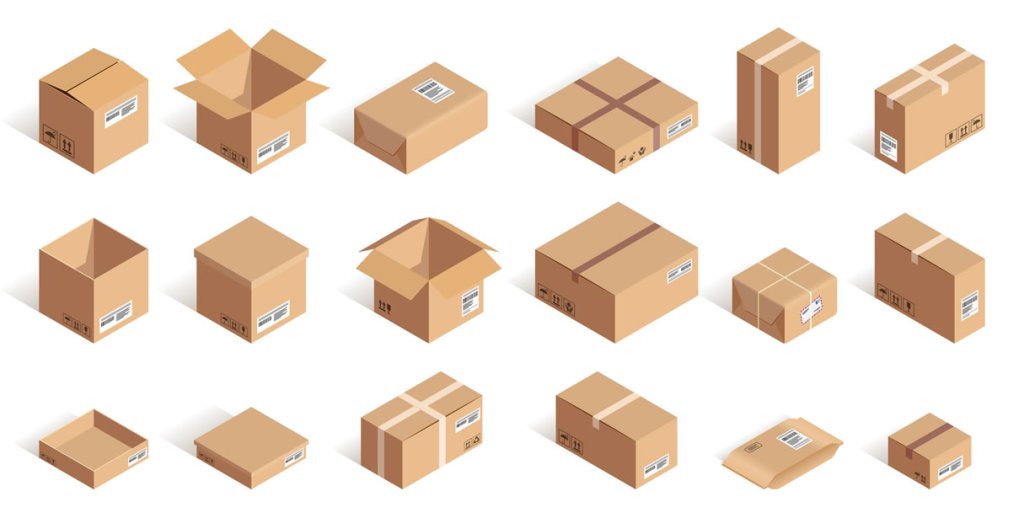
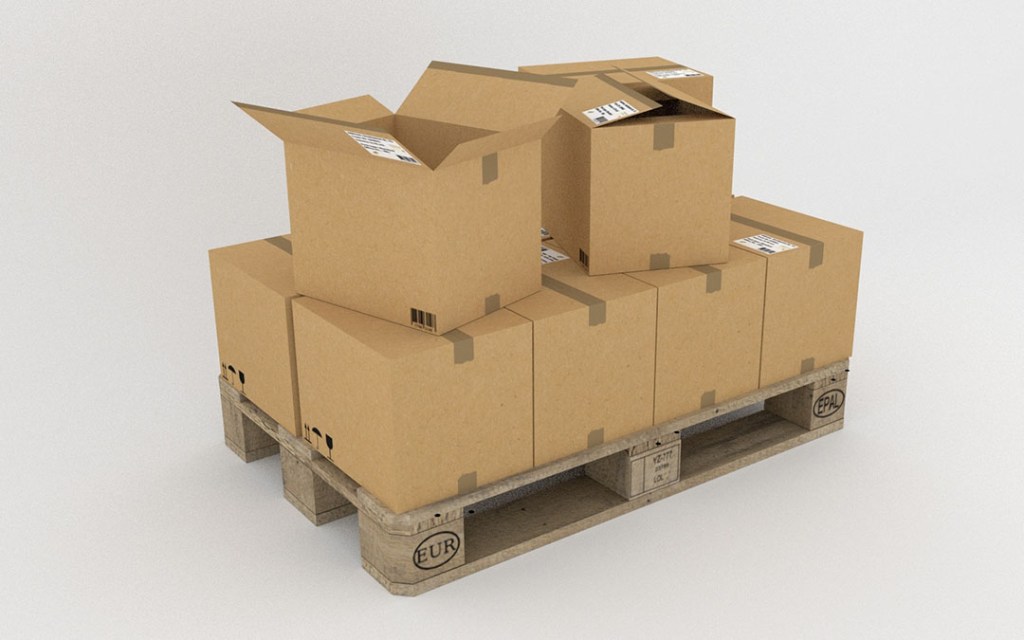
When choosing the right box, you’ve got cardboard boxes or corrugated boxes, and both are good for different reasons. 

For cardboard, it works well for versatile, lightweight, and cost-effective. They aren’t as sturdy and may not withstand rougher handling. However, they’re good for items that aren’t fragile, or anything that doesn’t need heavy duty shipping. Clothes and the like benefit from this.  they’re good for casual shipping. 

Corrugated boxes are very sturdy, and offer better protection, and offer a wavy layer that’s perfect as a cushion.  They’re a bit more expensive, but they are stronger.  They’re great for fragile and vintage items, along with electronics too. With their extra protection, they’re good for shipping items that need a little bit of extra room to it. 

Go Wholesale? 

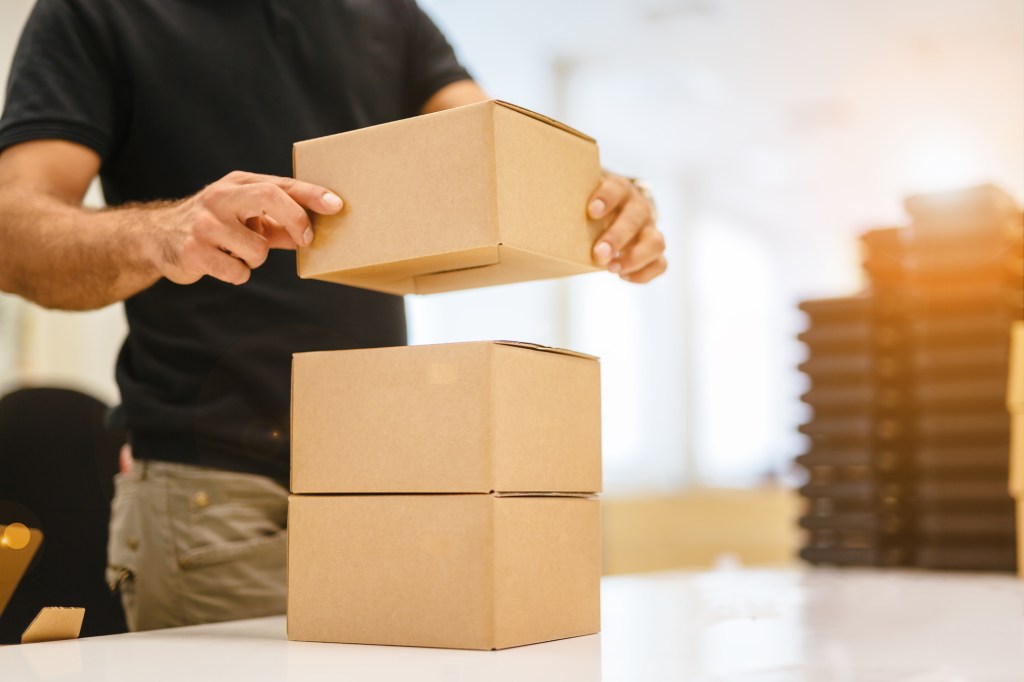
Well, if you’re going to ship a lot, you may want to make sure that you’ve got wholesale boxes. They are better to be bought in bulk, as they offer the most bang, and are consistent. 

They also are god for scrambles that aren’t last minute, offering boxes for every sort of situation. 

They are good for flat rate and corrugated shipping, and provide boxes for all sorts of instances, and more options too. 

Preparing the box 

You want to make sure that before you ship out the item, you prepare it. 

If there’s any loose parts like corners, then clean it and secure it. 

If there are fragile items, wrap this in bubble wrap, as this is something that offers the best security. 

Packing the Box 

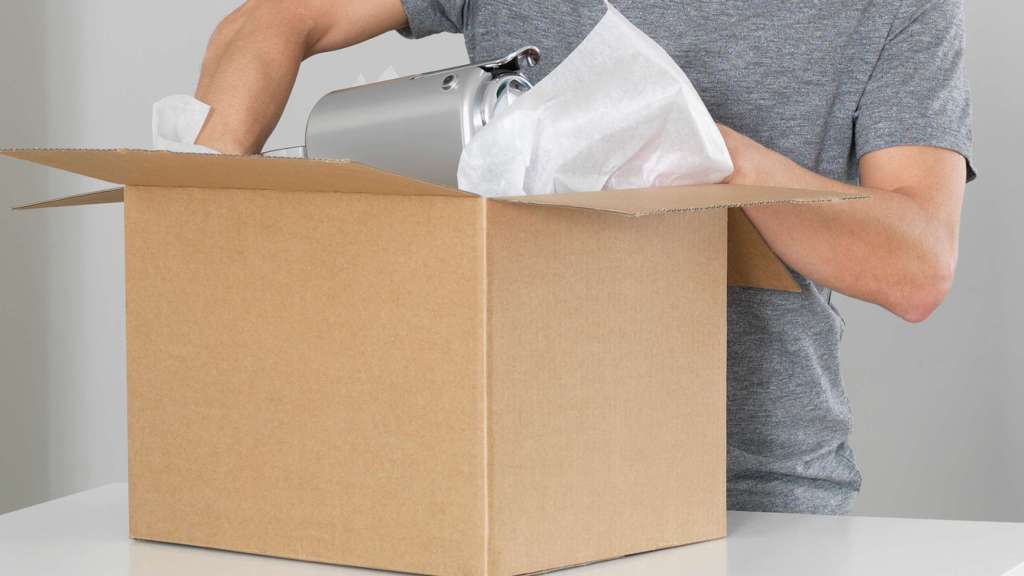
Next, you want to pack it. start with packing peanuts, or crumpled papers. Place the item with =in the center, and then, fill up the gaps with further packaging material. Think of it like a blanket for the products. If you’re shipping something that is flat, such as artwork or documents, then you’ll want to use flat shipping boxes. They are flat, so they keep everything protected, and they are good for arriving in perfect condition. 

Finally, you want to label and seal this, as this is good for sealing and protecting everything. Abel this clearly, and make sure that the tape you use is strong. 

Delivery Boxes 

Finally, you want to make sure that you use the correct delivery box for the job.  They are good for helping to ensure that you get the right possible outcome from this. 

For books and magazines, you want something strong and sturdy, and something that protects the corners. 

Electronics require more padding, and enough to have bubble wrap inside. 

For clothing, soft and flexible, or something lightweight is usually the best way to handle this. 

Finally, for documents and artwork, you want flat shipping boxes, as they keep everything nice and pristine. 

When you have these boxes, always make sure that they’re stored correctly. Keep them dry and cool, and away from anything that’s damp. As for flat boxes, you want to keep them flat, as they are necessary. 

Always make sure that you don’t overload them either. If you have future delivery, always keep them from being overloaded, since this can cause them to get crushed, ruining your own personal box experience as a result. 

Supplies for Micro Mobility deliveries

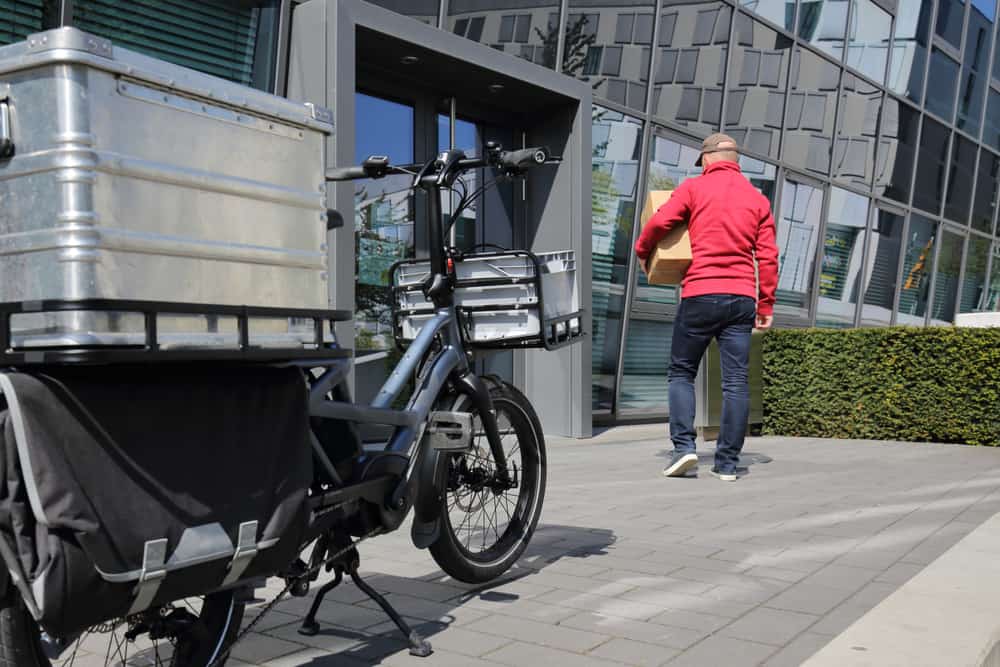
More and more people are turning to micro mobility to get around. These are the bikes, lime scooters, and other sorts of various ways to get around. Using it in urban landscapes, it’s great for getting around, and delivery networks. If you’re a company that supplies these items to various delivery networks, especially those in urbanized locations, you want to make sure that the shipping supplies fit the bill. 

Here, we’ll go over the packaging considerations, various innovative solutions, and how these shipping supplies improve urban micro mobility, and really make it better for all involved. 

The Challenges 

These days, there are packaging challenges that come with this.   one big problem, is that these companies want to have the packaging in a manner that’s not taking up all the space while shipping.   With eco-friendly initiatives as the focus, it makes sense that they don’t want to use too much cargo space.

So you need to make it a compact design that fits these spaces. A big challenge is to make it in a manner that will really improve the overall experience, and also ensure that it’s easy to use.

The second issue is finding the materials that are lightweight, but also durable.   These items are handled by many, from supplier to consumer, so making sure that you’re giving them these materials improves the overall experience.

What’s the Solution? 

These days, you have some solutions for the packaging.  

One is foldable packaging. These are items that can be folded and adjusted to size.   When you use this, you can compact all of the designs that you might have, especially for the most limited of locations. It’s great, because it doesn’t overwhelm the space, but also makes it useful for all parties involved.

The other option is shock-absorbent pouches. These pouches absorb all of the shocks and jostles, stopping them from breaking down and ruining the product.   It’s a great feature, and with more companies utilizing this, it’s a great way for you to get the materials that you want to the locations you want to take them to.

The Environmental impact 

All of these options are great, but you also want to make sure that your eco friendly materials complement the micromobility low-carbon footprint. Using plastic alternatives, and biodegradable packaging is a good place to start. Cardboard that’s post-consumer waste is also a good way to reduce some of the effects of these greenhouse gases that other companies might put out.

Just remember that micro mobility is trying to reduce their carbon footprint in urban areas. It’s up to you to make sure that you give the packaging an initiative that will fit the needs of the customer, and make sure that it fits the sustainability that you tout to others.   Adding these materials also will make you as a company look better as well, so bear this in mind.

The future of Micro Mobility 

These days, we’ll be seeing more and more micro mobility in your packaging. One area of focus will be customized packaging for this. Right now, a lot of them are basic with branding, but we’ll be seeing more as more bikes and scooter suppliers come up.

Some may also use last-mile efficiency by having fast delivery of these.  It looks better, and reduces emissions.   Some have even partnered with suppliers that will get this to customers that will get it to them fast.

Overall, micro mobility is the future. And if you’re looking to target this urbanized market, look at your packaging for other alternatives that will make your packaging look even more profound for those who are interested in this product. 

How to Choose the correct Packaging Flute 

When you’re working with corrugated paperboard and other fibers, one thing that people tend to forget is the flute that’s best used. 

There’s a lot for you to choose from, and you must make sure that each of these are understood, prior to making the final deciding actions.  Here, we’ll discuss what type of flute to use, and some of the benefits for each to consider. 

What Flute Is 

Flutes is another word for corrugation, or corrugated times. Essentially they’re a more wavelike type of line that is stuck to different linerboard layers.  This is what provides the linerboard with some extra support and strength, good enough for even the heaviest of different items. 

These flutes are good for structure, but also for insulation. This improves the crush strength of this and helps to create a more puncture-resistant type of box for you to use. 

Flutes come in different types of sizes, which we’ll go over below. 

First, you’ve got the A flute, and this is the thickest out there. It’s great for anything that needs a lot of strength, and the stiffness of such is great for industries.  This is good for heavy items, but if you’ve got designs that need to be detailed, this is not the ideal. 

The B flute is the next biggest.  It’s a bit thinner and stiffer though than some of the others, and the arch height tends to be lower.  B flutes are great for good designs, and also for die cutting. It’s resistant to puncturing and crushing.  It was made originally for packaging different canned items, and these days you use it for trays for drinks, any glass to glass packaging, and other types of items. It’s also good for dividers and pads. 

Then there is the C flute, which is the second thickest, and it’s the best for crush resistance. This is also one that’s considered to be more all purpose than others. It’s also easy to stack on too, without breaking.  It can also handle printing and the like too. This is what most shipping boxes come in, and is good for furniture, dairy, glass items, and so many others. 

E flute is a thinner one, but don’t write it off. It’s easy to fold for the most part, has a very good crush resistance, and it also can offer more high-quality printing items.  This is stronger, better for the environment, and also is a good alternative for some other folding cartons. It’s not good however for shipping and tends to be subpar when you look at the protection from puncturing. 

Finally, we’ve got the F flute, which is about half of the thickness of the E flute, and this is another one that’s got far less fiber than the E flute. It’s rigid, sand also is a great alternative to these foldable cartons.  It’s sometimes used interchangeably with the E flutes in some cases. It’s good for clamshell packaging, specialty items, and also small items in retail packaging

Choosing what’s right for you 

This can be a bit of a challenge. Sometimes it’s easy, especially if you’ve got a thicker product that needs more durability and protection. Those who have a thinner product that’s more specialty may also have an easy decision.

However, if you’re still having trouble, you can talk to the packaging retailer, as they can give you an idea of the ideal fluting size for your needs, and to help you choose the right packaging that best fits what you want, and every other factor to be considered. 

Invisible Barcodes For Next-level Tracking 

More and more barcodes are changing. Instead of them being big and gaudy on the packaging, they’re not invisible. 

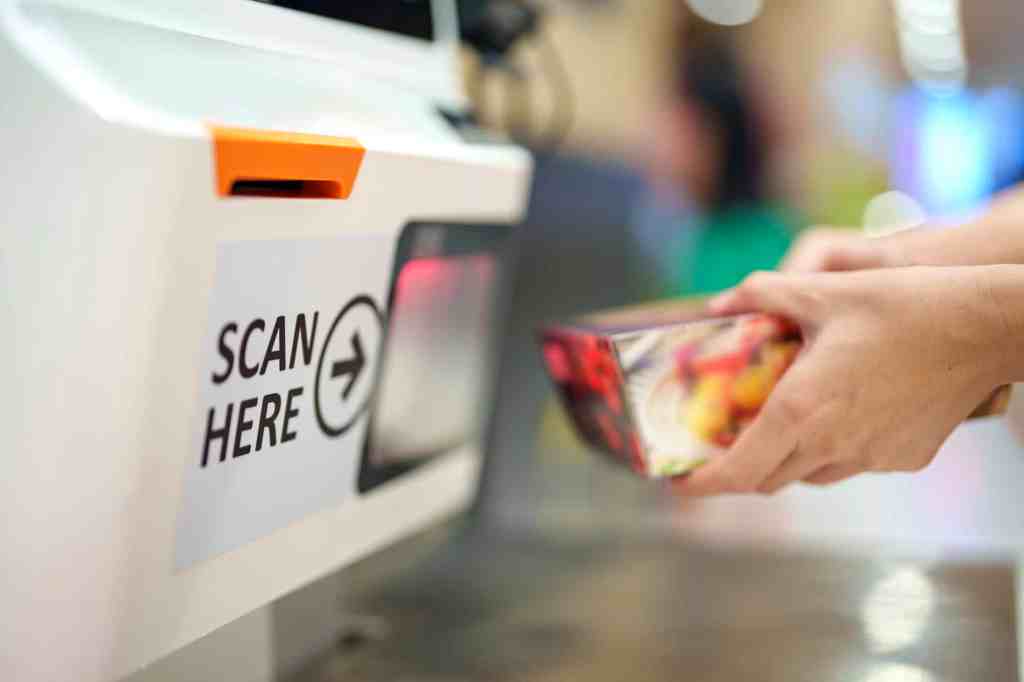
This newfound rise of packaging with barcodes that are invisible improves the aesthetics and security of the item, without compromising the scanning efficiency that’s there. It’s a great way to add some security without it being too obnoxious or jarring for the packaging’s state. 

How this works 

This type of barcode is printed using a UV reactive or infrared ink. While it might not be visible to the naked eye, it can under different lights.    It is applied directly onto the packaging, and will sit evenly with the rest of the packaging materials that are there, creating a sort of invisible protective element that many customers don’t realize is even there. 

The applications 

This type of ink and printing is a little more expensive, however for certain industries it’s a must. 

One example is luxury goods and items. You want to make sure that your items are naturally protected. Well, they can be through the power of invisible barcodes, and what they can offer.   

Another area is pharmaceuticals. A lot of medicine and drug companies are using these barcodes so that those who try to duplicate the medicines to sell in underhanded markets are unable to do such a thing.

Finally, there is counterfeit protection. If you know that the goods are likely to be counterfeited and duplicated through illicit means, you will want to use this, because it protects the items from such measures, making it safer for you to keep and prevent further issues from arising as well. 

The benefits of these invisible Barcodes 

One might wonder if it really is worth the money and extra effort to protect the items. The simple answer is yes, it is. 

It reduces the label clutter. Many times with packaging, when you have too many labels, it can look jarring and ugly. But, invisible barcodes reduce that jarring look, making it easier to look at all of this. 

It also boosts security. For those who want to copy or tamper with the items, in order to create counterfeits, you can use this as a layer of protection, and it will improve the security aspects of the items. 

Finally, it streamlines the supply chain tracking.    Many times, these barcodes can be placed into a logistics system and tracked, resulting in a better way to focus the items and see where they are. You can offer real-time tracking with this that a lot of companies like. Customers will flock to you if you offer such means, because it implies as well that there are a lot of unique, useful ways to protect these items in their own manner. 

New Advancements in Barcodes 

Invisible barcodes are a unique feature not seen in a lot of common products. However, they are becoming more prevalent. 

But there is more to this evolution than one might think.   with the use of AI and proper leveraging, these barcode systems will dynamically update the product information based on external conditions and what’s going on. it can offer real-time tracking and product states, along with internal and external temperatures of the product. This means that the item will have a whole lot of real-time tracking that will tell them exactly what they need. 

The future is in these barcodes, as they offer a different layer of security than others, and with more companies using it, they can have some security no matter where their items are going, or whose hands they might end up in.